Why a Board-Certified Veterinary Nutritionist Matters in Pet Food
Not all pet food nutrition credentials are equal. Some “nutrition” certifications require only eight hours of online coursework, while a board-certified veterinary nutritionist completes roughly twelve years of total animal education. Here is why that distinction matters for the food you choose.
More Than a Certificate
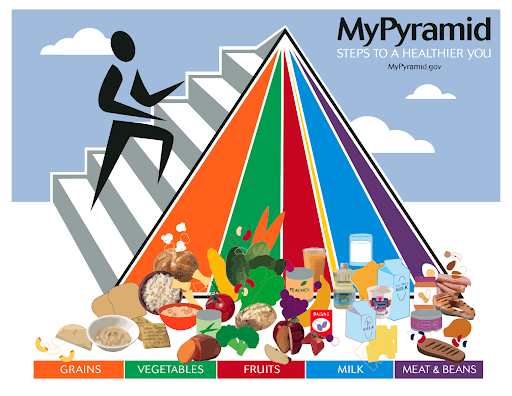
Nutrition is such a complex topic. Just look at humans – the food pyramid, political opinion, and a constant debate on what makes the best diet. Animal nutrition is no different. The frightening thing is someone can become certified as a “NAVC Pet Nutrition Coach” after just eight hours of online learning. These types of “credentials” can unknowingly lead pet owners down a path to selecting a food that is not optimal for their pet. This is why the gold standard for nutrition education in the pet food industry is either a full-time board-certified veterinary nutritionist (a veterinarian who then does four additional years of training in animal nutrition, typically twelve years of total animal education) or a PhD in animal nutrition (ten years of education) on staff.
Brands That Meet the Gold Standard
The following companies control the whole manufacturing process AND have a boarded veterinary nutritionist or PhD animal nutritionist on staff:
Hill’s Pet Nutrition (Colgate-Palmolive) – all recipes produced in owned USA facilities; multiple DVMs and PhD nutritionists on staff with a longstanding nutrition research program
Purina (Nestle) – 24 owned facilities across the US and Canada; multiple board-certified veterinary nutritionists (DACVNs) on staff
Royal Canin (Mars Petcare) – owned plants including a new $450M facility in Lewisburg, Ohio; veterinary nutritionists on staff
Iams / Eukanuba (Mars Petcare) – manufactured within Mars-owned facilities; shares Mars Petcare’s veterinary nutrition research staff and infrastructure
JustFoodForDogs – owned master kitchens in Irvine, CA and New Castle, DE built to human food production standards; a board-certified veterinary nutritionist (DVM, DACVIM Nutrition) on staff
Freshpet – owns its own refrigerated manufacturing kitchens; full-time board-certified veterinary nutritionists (DACVNs) and PhD animal nutritionists on staff
Farmina – 150,000 sq ft owned facility in North Carolina; a DVM with a concurrent PhD in Animal Nutrition leads the formulation team, supported by a Scientific Committee that includes a University of Naples professor of Animal Nutrition
Midwestern Pet Foods (Earthborn Holistic) – owned manufacturing facilities; board-certified PhD nutritionist on staff formulating recipes
A board-certified nutritionist on staff is one of the key things to look for when evaluating a pet food company. See how it fits into the bigger picture in our complete pet food label guide.
Most pet food brands do not own the facility where their food is actually made — they provide a recipe and a label, then hand production to a third-party manufacturing plant. That means the questions worth asking are about access, transparency, and who controls quality, not just what is printed on the bag. Here is what to look for before choosing a pet food company.
Marketing vs. Research
Research, education, and the ability to distinguish fact from opinion all play into picking a food for your pet. One of the most common things we hear from clients is, “I was trying to find the best, healthiest food for my pet.” The truth is that creating an ad with an energetic Labrador or a curious kitten as the star is far less expensive than conducting actual research to prove a food is superior. This takes advantage of owners, pulling on their heartstrings and pressuring rather than empowering them to make an informed choice.
Access and Customer Support
Can you phone a friend? You would be surprised how many pet food companies provide very little support to their customers. Over the years our team has reached out to, or attempted to search, a typically smaller pet food company’s website only to be met with silence or an absence of data. So, first thing: check your pet’s food bag, find their contact information, and give them a call. Ask them some questions, see how receptive and open they are to your concerns as a consumer. With companies like Hill’s, Royal Canin, and Purina, a consumer will be able to speak to a knowledgeable representative within minutes. Support from their veterinary team – not a sales team – is literally a phone call away.
Manufacturing Plants
Exclusive kitchen. Looking at a pet food bag, it is easy to have a vision of the company making a kibble in a wholesome kitchen, eventually packaging it up in its brightly colored bag for its ride to the pet store shelf. Most pet food brands do not own the facility where their food is made. They provide a recipe and a label. That is it. They do not control ingredient quality, plant quality controls, post-production testing, or even distribution. It is hands-off, other than having the idea and collecting a check.
Manufacturer transparency is closely tied to the manufacturer’s name and address required on every pet food label. See how it fits into the bigger picture in our complete pet food label guide.
Pet Food Feeding Directions: Why They Are Just a Starting Point
Feeding directions printed on a pet food bag are set by the manufacturer, not by your veterinarian, and they do not account for your individual pet’s body condition or life stage. They are a starting point, not a prescription. Here is why your pet’s actual needs should guide how much you feed, not the chart on the bag.
What Feeding Directions Really Mean
Really means nothing. The only thing required is that the label include feeding directions stating how much food to give per weight of the animal, and how often. This does not take into account a pet’s body condition, overweight vs. lean, or life stage, puppy vs. senior. The amounts listed are determined by the manufacturer who, it can always be assumed, would choose to sell more food and thus recommend higher feeding amounts.
What Should Actually Guide How Much You Feed
Ultimately, the volume you feed your pet should be based on what keeps them healthy from a body size standpoint and nutrient perspective. That means checking your pet’s body condition regularly, adjusting portions as their activity level or life stage changes, and treating the bag’s feeding chart as a rough starting point to be refined with your veterinary team rather than a fixed rule.
Feeding directions are one of eight required elements on a pet food label. See the full breakdown in our complete pet food label guide.
What Is AAFCO and Why It Matters for Your Pet’s Food
AAFCO, the Association of American Feed Control Officials, sets the nutritional standards that most complete and balanced pet foods must meet. The AAFCO statement on a bag comes in one of two very different versions — a “formulated to meet” statement that never touched a live animal, or a feeding trial statement, the higher standard. Here is what the AAFCO statement on your pet’s food actually tells you.
The Only Rulemaker
AAFCO (the Association of American Feed Control Officials) is a non-governmental group that sets nutritional guidelines for pet food, and this statement appears in one of two versions. One of these statements is required on any food that claims to be complete and balanced. This means that treats and toppers are not included in this oversight.
Version 1: Formulated to Meet
“[Product name] is formulated to meet the nutritional levels established by the AAFCO Dog Food Nutrient Profiles for [life stage].”
This means someone, and this could be anyone, sat down with a spreadsheet, plugged in the ingredients and amounts, making sure that the end result hit AAFCO’s minimum nutrient levels. No animal ever ate the food as part of the approval process, and no training or education is required of the recipe’s author. The math worked out on paper, and that is it.
Version 2: Feeding Trial
“Animal feeding tests using AAFCO procedures substantiate that [product name] provides complete and balanced nutrition for [life stage].”
This means real animals were fed the actual food, in a controlled study, following a specific AAFCO protocol. This is the ideal and highest standard. While not perfect – trials are typically 6 months long and use a small number of test patients – the food was at least fed to real animals. Food trial testing is expensive, and the majority of pet foods do not perform them for this reason.
Life Stage Descriptors
The other area that should be considered is the life stage descriptor on pet food labels, which include:
Adult maintenance – meets minimum requirements for adult dogs only
Growth – meets the higher requirements for puppies
Reproduction – meets requirements for pregnant or nursing dogs
All life stages – must meet the most demanding requirements, which are the puppy/reproduction standards
While “all life stages” may sound appealing, this in actuality means that the food was made to meet the needs of the most rigorous case. This broad approach means that these foods may not be as optimal for your adult, senior, or overweight pet.
The AAFCO statement is one of eight required elements on a pet food label. See the full breakdown in our complete pet food label guide.
Pet food ingredient lists are ordered by pre-cooked weight, not nutritional importance, and terms like “meal” and “by-products” sound worse than they actually are. The body uses nutrients, not ingredients, to thrive, so a pretty ingredient list does not guarantee a balanced diet. Here is what those ingredient terms actually mean.
Chicken = Meat, Skin, and Bones
The ingredient list is a common focus in pet food advertising, emphasizing to owners that wholesome ingredients equal a quality pet food. What this does not take into consideration is that the body uses nutrients, not ingredients, to thrive. So while chicken, sweet potatoes, pasta, or carrots may leave a pretty picture, they do not on their own create a safe or balanced food.
How Ingredients Are Ordered
Ingredients are listed in descending order by pre-cooked weight on pet food labels. What that means is that the top five listed ingredients are the most abundant in a food. If chicken is listed first on a product label and rice fifth, there is then, from a weight standpoint, more chicken than rice in said food. Keep in mind that chicken, as an example, is made up of 70% water. Additionally, bone is actually also considered “chicken,” adding to its total weight. As a consumer we think of a boneless skinless chicken breast when we read chicken, but that is not necessarily reality, and it may actually be instead a drumstick with scant meat on it.
Meal Products and By-Products
Meal products (ex. chicken meal) – a very dense form of chicken as it removes moisture, essentially providing dehydrated chicken. This should not be considered an inferior ingredient.
By-products – In the case of chicken byproducts, they include nutritionally dense organ meat (ex. liver, heart), feet, and heads. No feathers, no fecal matter. While perhaps less appealing to our human palate, these provide a quality source of nutrition for our pets when used properly.
The ingredient list is one of eight required elements on a pet food label. See how it fits into the bigger picture in our complete pet food label guide.