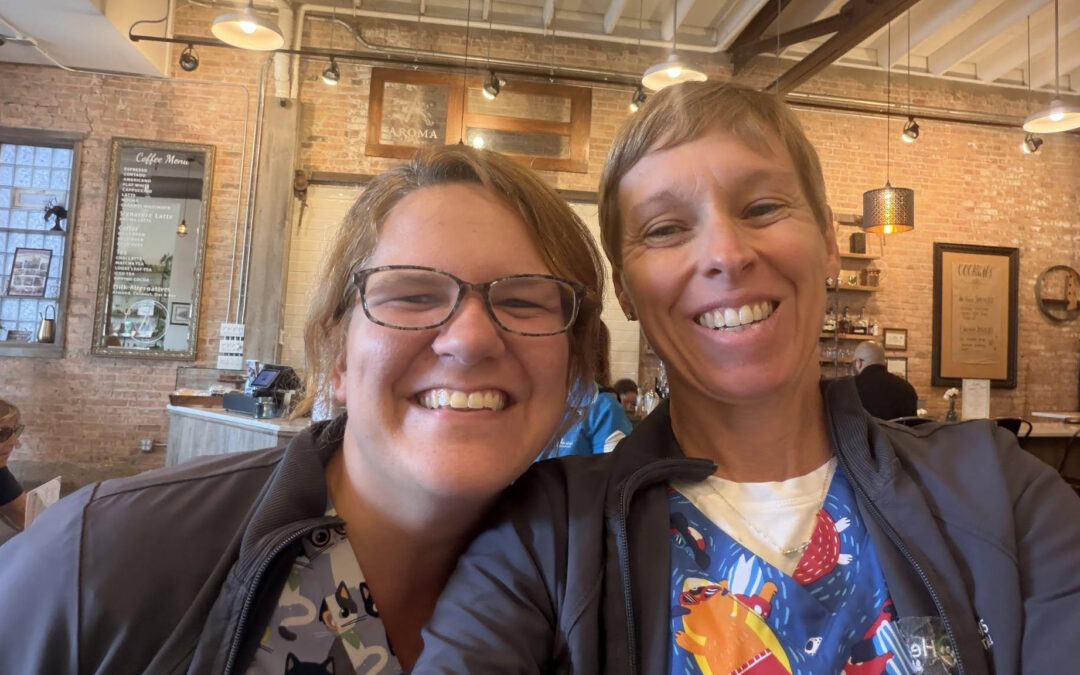
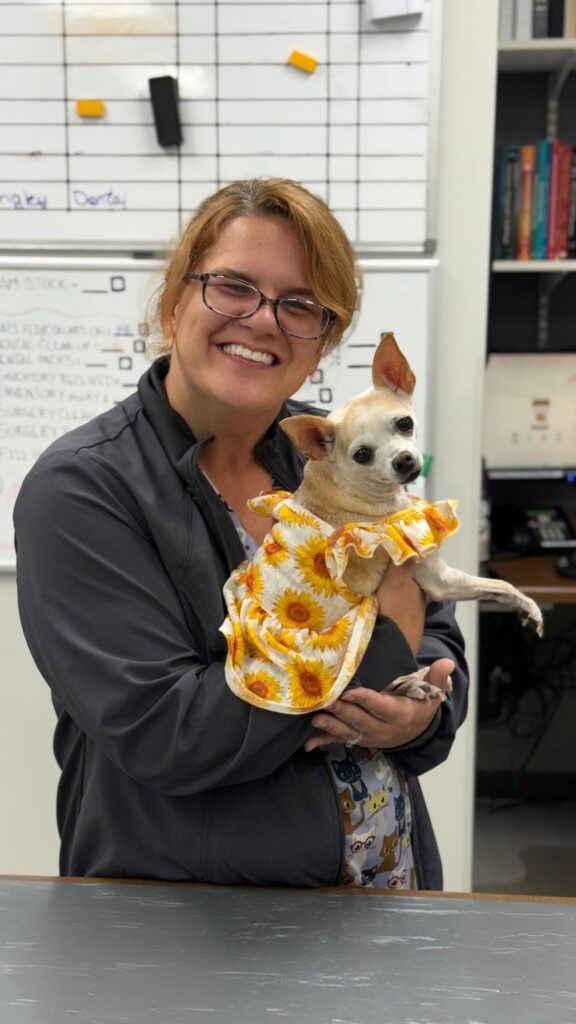
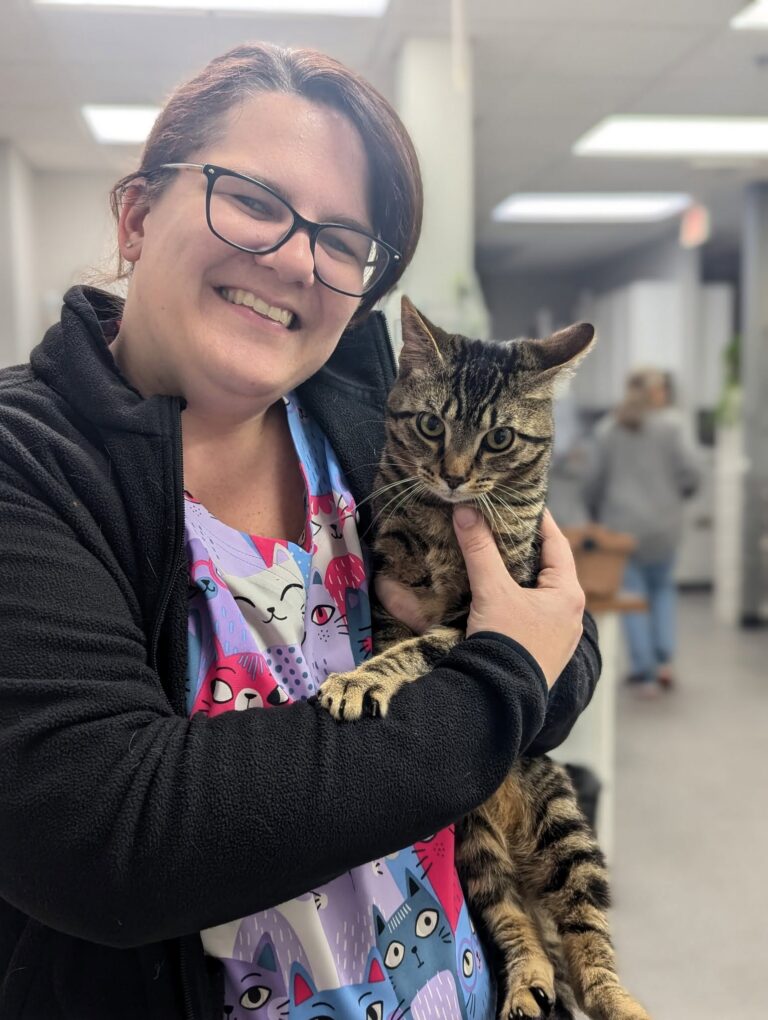
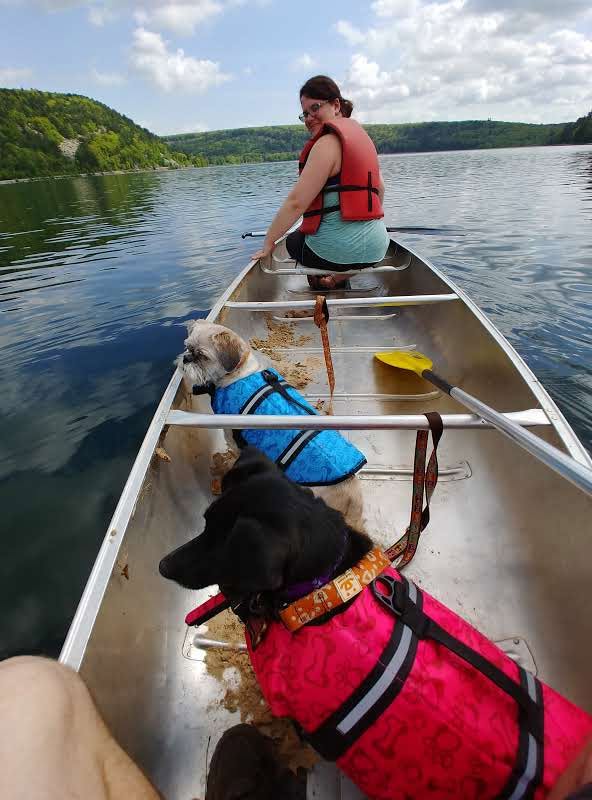
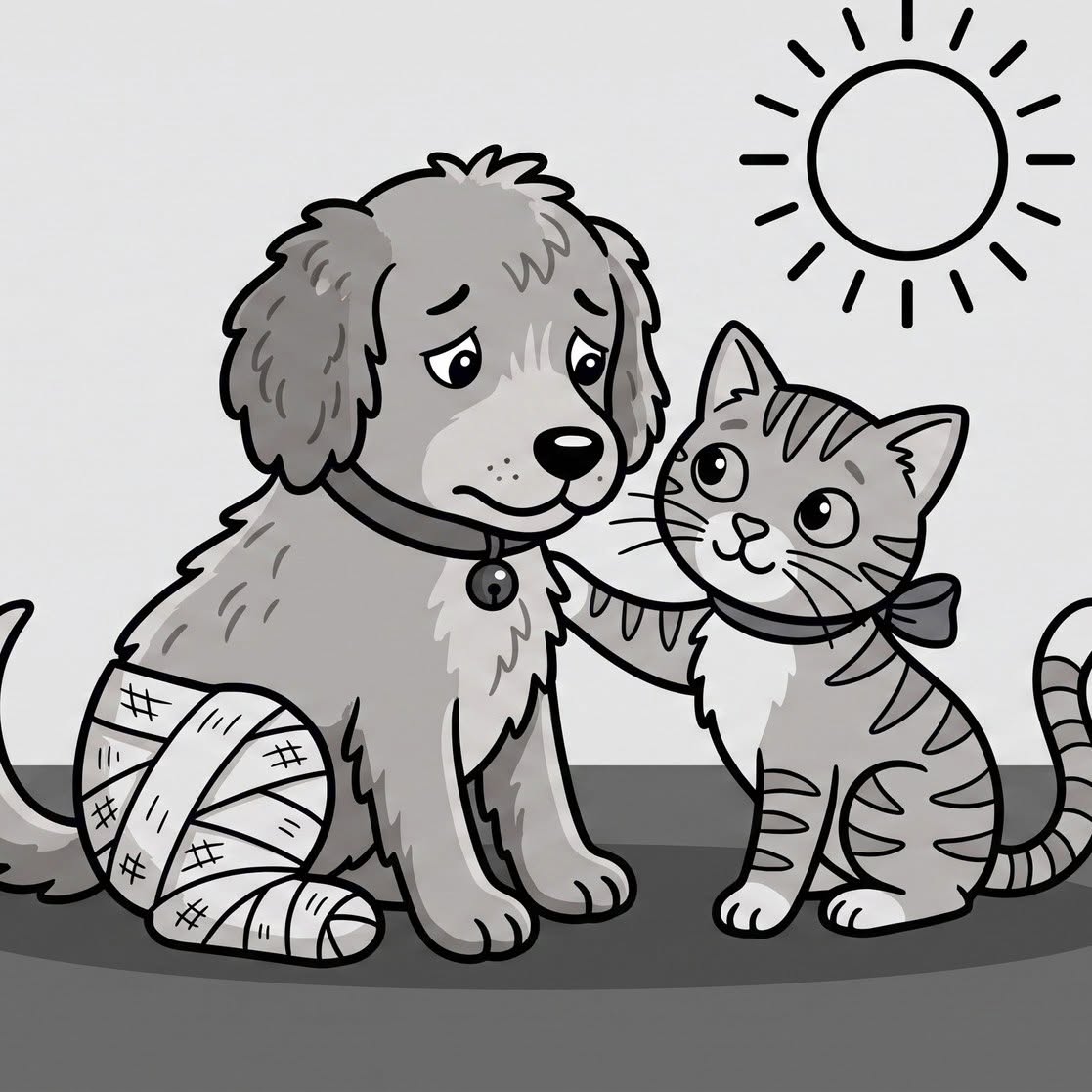
Meet Amanda, aka Energizer Bunny. I cannot even explain in words how resourceful this mom, wife, and teammate is…she is seemingly able to make time out of nothing. Whether it be taking her boys to multiple playgrounds, rehoming groundhogs, or creating masterpieces (including our personalized bandanas for surgery patients) with her Cricut, Amanda embraces life and all that comes with it with a passion that is contagious. It has been a true gift working with her the last five years and I am looking forward to many more to come. Being a part of her world and family is a true blessing.
Dormosedan gel is a safe, reversible oral sedative that is sometimes recommended for dogs who feel overwhelming fear or anxiety at the vet’s office. Given in the car by owners, this oral gel helps dogs relax, allowing for a calm and thorough exam, which is then followed by a reversal agent that allows them to walk out the door tail wagging. This is one option among many, just one trick in our bag. With owners, we decide together whether it is the right fit for a pet.
What is Dormosedan gel?
Dormosedan gel is an oral sedative that absorbs through the gums. For pets who find the veterinary office truly terrifying, this medication safely sedates without any injections or interaction with our team (aka strangers) allowing us to provide the medical, diagnostic, and preventive care all dogs deserve.
This medication is reversible, meaning once we are finished with necessary testing or procedures, we can give a second medication that reverses the sedative effect of Dormosedan. This process is always done under doctor’s direction and the close supervision of a certified or degreed veterinary technician.
Why do we offer sedation for anxious pets?
We listen to our patients. If a dog is telling us they are frightened, that they are feeling cornered and not safe, then it is our obligation to respect this message. We will not fight an animal to achieve our goals; this only teaches fear and makes every future appointment harder.
For most anxious pets, the calming environment, gentle handling, and, at times, mild medications described on our Fearful Friends page are enough. For a smaller number whose fear runs deeper, the Dormosedan protocol lets us give them the thorough, unhurried care they deserve while still making them feel safe.
This process allows for a calmer experience, a more complete exam, and safer handling for everyone in the room.
What does a Dormosedan visit look like?
We designed this protocol to keep your pet calm from the moment you arrive. The short video below follows one of our patients through a real visit, start to finish.
“It’s actually much better because he’s calmer. I’m calmer. The techs are calmer.”
A Healthy Paws client, on their dog’s Dormosedan visit
Read the video transcript
Our team, walking through the visit:
At Healthy Paws Animal Hospital, our goal is to create a calm, positive environment for every patient we see.
When you arrive, just call us from your car. We bring the medication and explain how to give it. Wear gloves. Avoid skin contact with the gel. Gently apply the gel onto your pet’s gums.
Wait 10 to 15 minutes in the car for it to take effect. After that, you’ll be brought into the exam room. Your pet stays calm and relaxed during the exam. This makes the visit relaxed.
After the procedure, we give a reversal injection. Within minutes, your pet is back up on their feet.
Thank you for helping us make every visit stress-free.
One of our clients, on their own dog’s visit:
So, we just wanted to say that the first time that we had to sedate them for an appointment, it can be a little alarming because they’re so sleepy. They’re very, very, very, very sleepy.
But it’s actually much better because he’s calmer. I’m calmer. The techs are calmer. It makes it easier for the doctor to do her job.
And he wakes up when they give him the reversing agent. And he’s sleepy throughout the day. But the overall process is just much less stressful for him. And in the end, much less stressful for us too.
So, it can be a little hard the first time. But it’s all good.
Here is what to expect in a typical Dormosedan visit:
You apply a gel to your dog’s gums in the car, using gloves and a pre-measured dose we provide. Just walking through the vet’s front door can increase anxiety levels; allowing the medication to start working in the car takes this out of the equation.
You stay with your pet in the car for a short period while the medication starts to take effect. A designated team member will be partnered with you through the whole process and is only a phone call away.
Our team member will then bring your pet and you into a quiet exam room, with the lights dimmed and the space kept calm. Your dog will be groggy, but still able to walk.
Your pet rests comfortably in the exam room while we allow the medication to take further effect. Ultimately most dogs end up falling asleep with their head in your lap.
Our team and doctor perform a complete exam and any needed care.
When finished, we give reversal medication. Most pets are up and walking within about ten minutes.
There is no rush in this process. It is all about what the individual dog needs and their body’s timeline. Plan on a longer appointment than usual, bring a book, work, or reach out to a friend. The wait is worth it.
Is Dormosedan gel safe for dogs?
When given under veterinary supervision, Dormosedan gel has a well-established safety profile. It contains detomidine, a well-studied sedative, and we use a dose measured for your pet’s weight while monitoring them throughout the visit.
Dormosedan is also reversible, so we can bring your pet back out of sedation once we are done. We always review your pet’s health history first to make sure this protocol is a good fit for them as an individual.
How do I know if my pet needs sedation for the vet?
Every pet is different, and this is a decision we make together. If your pet finds the vet especially frightening, or past visits have been very stressful, talk to us.
Many pets never need it. For the ones who do, it can change both their and their owner’s whole experience of coming to see us. We will help you decide whether Dormosedan gel is a good fit and build a plan around what makes your pet feel safe.
If your pet is scheduled for a Dormosedan visit, here is exactly what to expect on the day.
For Booked Clients: Your Day-of Guide
Before your visit
Give all prescribed pre-visit medications at home. Dormosedan works best when combined with these medications. A pet who arrives already very anxious will get less benefit from it.
Plan for a longer appointment. Dormosedan can take 30 to 60 minutes to reach full effect, and some pets need an additional dose. Appointments average about 90 minutes. First appointments average about 2 hours. We prefer that you stay with your pet throughout.
When you arrive
Call us from your car. A team member will give you instructions over the phone. When it is time, a technician will either bring you inside without your pet, or come out to your car, with specific instructions for giving the gel.
Give the gel in your car. We provide gloves and a pre-measured dose based on your pet’s weight. Rub the gel directly onto your pet’s gums. Avoid contact with your own skin, and do not let your pet lick you. Then stay with your pet in the car for about 15 minutes, or the time your technician specifies.
Please call the front desk right away if your pet falls completely asleep, is unable to raise their head, or does not respond when you call their name. If you have any questions or concerns while waiting in the car, please call the front desk.
After the wait time. If no one has contacted you, please call the front desk. A technician will weigh your pet and quietly escort you into an exam room. Sometimes we will have you enter directly from the parking lot.
In the exam room
We keep stimulation low. Lights may be dimmed and conversation kept quiet. The team may hold off on approaching or interacting with your pet until the sedation is deeper.
Sedation deepens gradually. Pets often need another 15 to 60 minutes for the sedation to deepen. A technician will check on your pet every 10 to 15 minutes by text, phone call, or in person.
You will be asked to place a muzzle on your pet. This may briefly wake them, which is expected. Pets typically settle again after a short rest.
The goal is calm rest. We aim for your pet to rest quietly on their side, with a muzzle on and a towel over the eyes. Many pets relax best with their owner sitting nearby and their head resting in your lap.
If your pet cannot be woken at any point, or if you have any concerns, please call the front desk or ring the bell provided.
During the exam and procedures
The doctor examines your pet and completes any diagnostics or procedures once sedation is deep enough.
We keep interaction quiet and brief. If your pet becomes overly alert, we allow more time for the sedation to return. If needed, we may recommend additional injectable sedation at this point.
After procedures
We give a reversal injection. It usually takes effect within 10 minutes, allowing your pet to stand and walk. Once your pet is up and steady, they are ready to head home.
At home
Expect mild drowsiness for several hours. Provide a quiet, restful environment for the rest of the day.
If your pet falls into a deep sleep, gently stimulate them every 10 to 15 minutes.
Most pets return to their normal selves within 12 to 24 hours after the appointment.
We’re here for you and your pet. If you have questions about whether Dormosedan gel could help your dog, give us a call at (815) 322-5400. We’re happy to help.
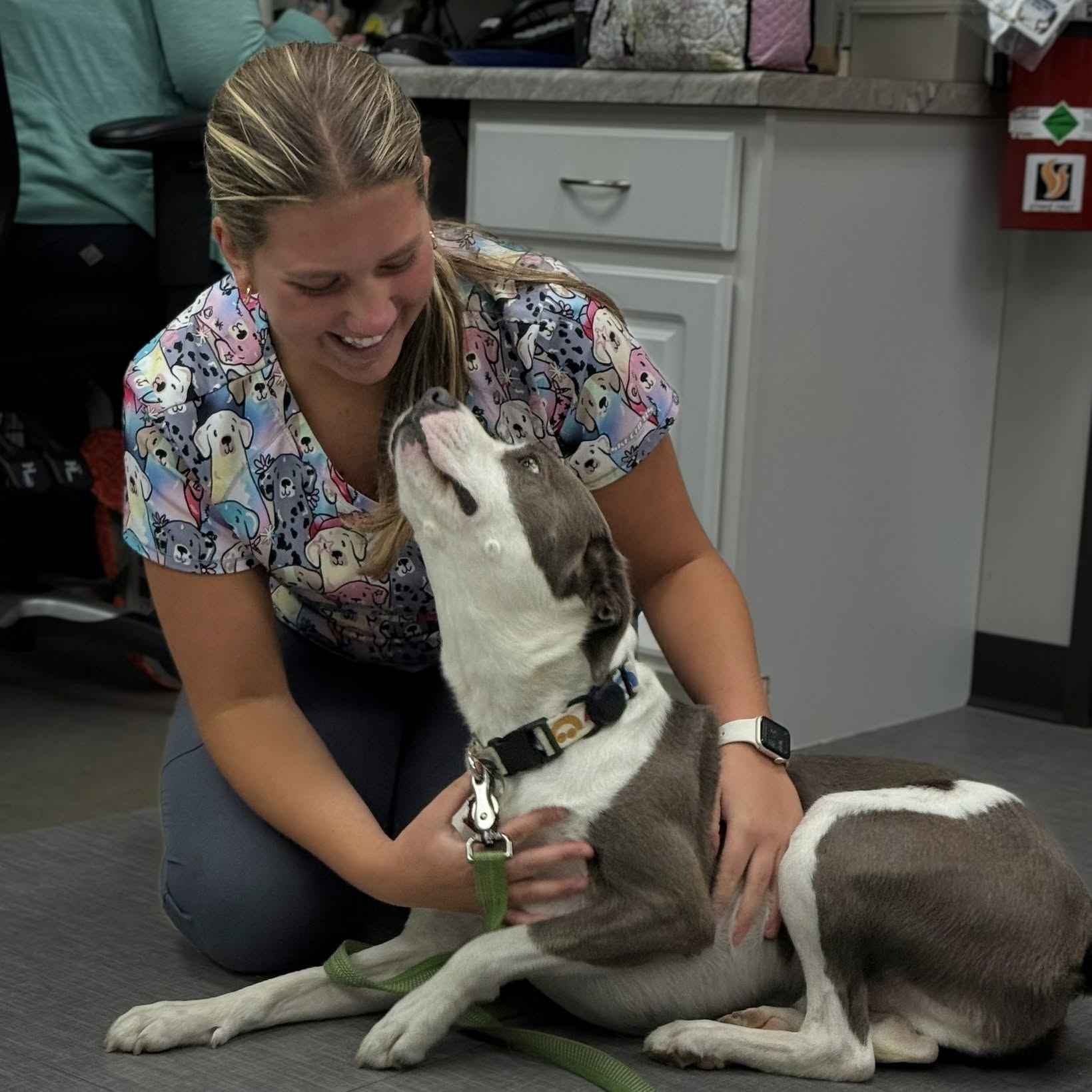
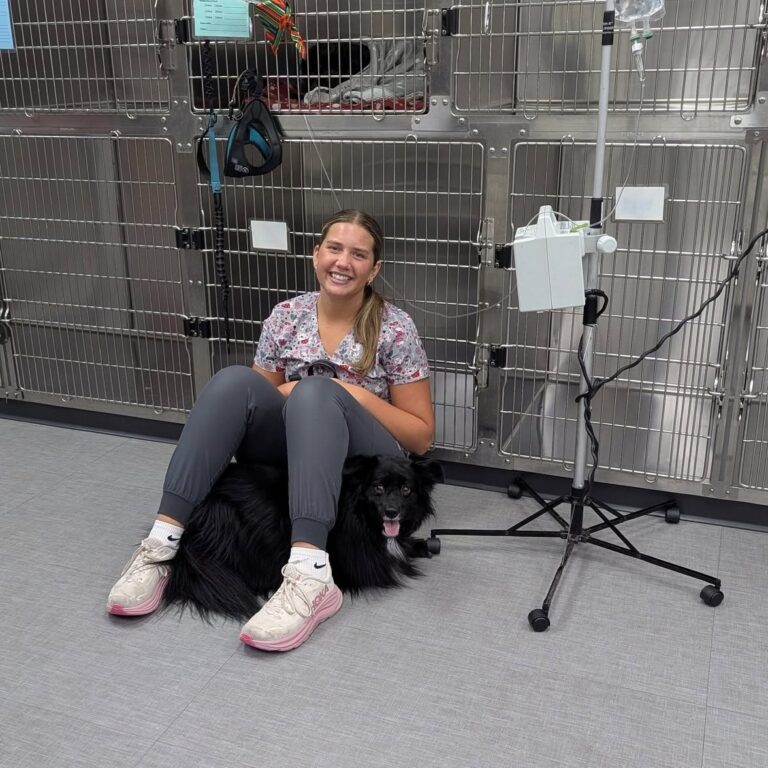
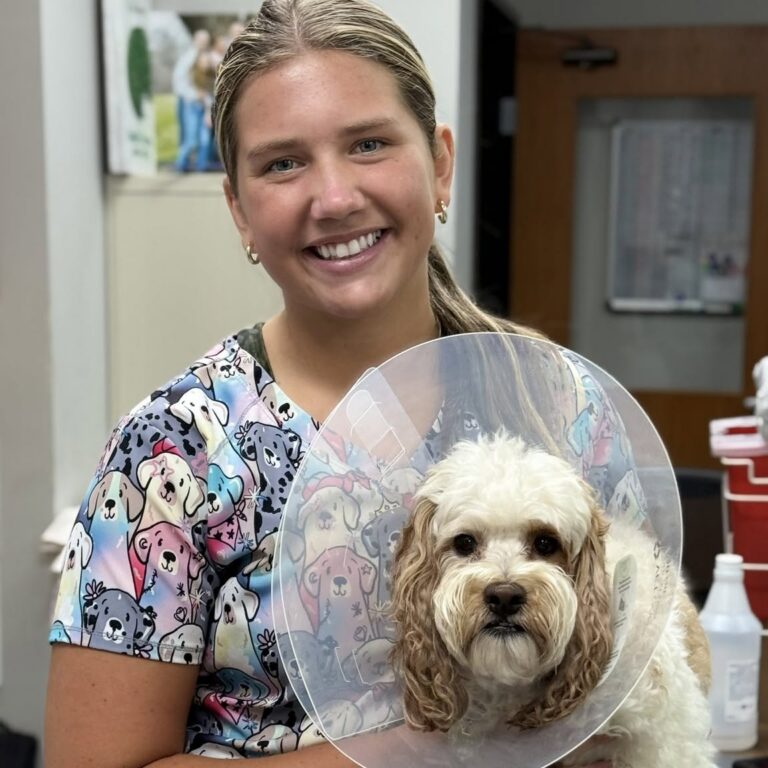
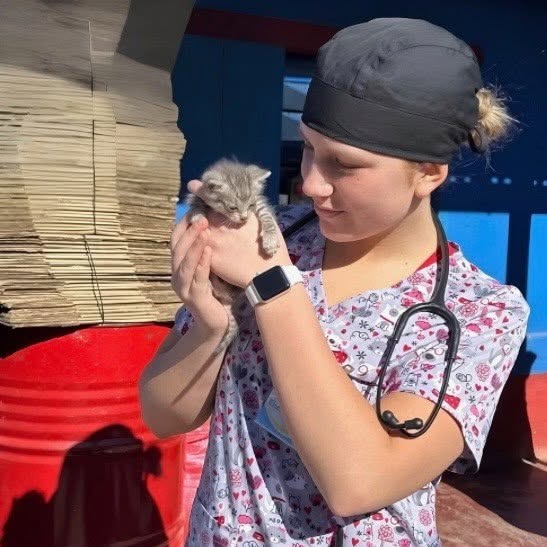
This is Lizzie. This is our team. This is veterinary medicine.
Lizzie has spent the last two summers with us, soaking in everything this profession offers. She is now in the process of applying to veterinary school and it brings back vivid memories of my own early years cleaning cages, shaving dogs, watching cases unfold, and taking it all in. This path is exciting and grueling in equal measure. We are proud to be part of her journey.
What many people do not realize is that being a veterinarian is as much about science and people skills as it is about puppies and kittens. When students visit us, I always say the same thing: grades and resumes matter less than the ability to communicate with a scared owner, support a teammate through a rough day, and stay composed when everything feels uncertain. All while remaining humble. All while being a role model.
Lizzie does all of this naturally. We cannot wait to see where this profession takes her.
What do Lindsey Vonn, Patrick Mahomes, and many of our canine patients have in common?
Torn cruciate ligaments, aka torn ACL.
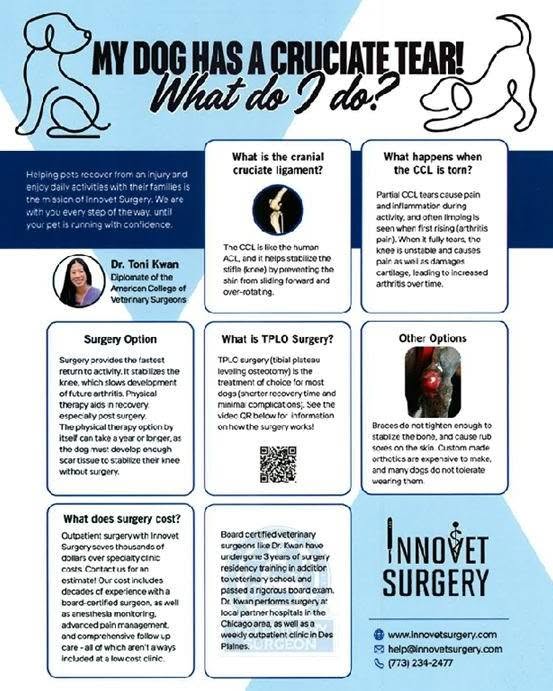
This injury, while often not painful beyond the initial swelling, is dysfunctional, leading to long-term lameness and muscle loss in affected dogs. Similar to humans, surgery is the typical fix for this problem. Board certified surgeons at facilities like Veterinary Specialty Center or Innovet Surgery (they come to Healthy Paws to do this surgery) perform a surgery called a TPLO, restoring function to our four legged friends with a flat tire.
A reference sheet from our surgical partner, Innovet Surgery.
I may be a veterinarian and owner of Healthy Paws, but I am nothing without our team. Walking in the back door, I know I am surrounded by a group that is an advocate for our patients and clients, a master of making things work, and always there to support each other.
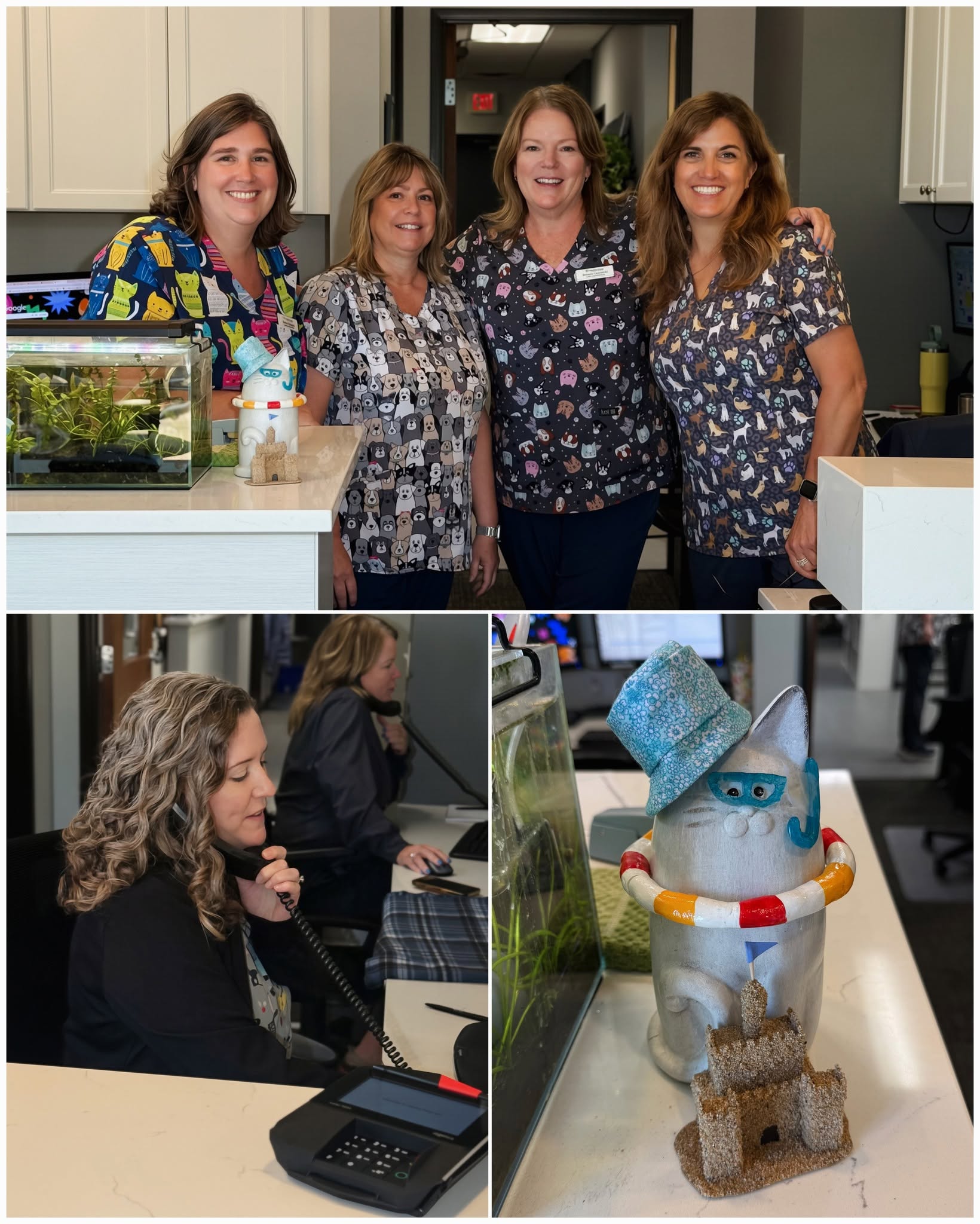
This is a snapshot of our care coordinators. The faces that meet you at the door. The voices that answer your worried call. The problem solvers for our team, clients, and patients no matter what. This is what makes them exceptional.
These ladies love pets second only to people.
Oh, and honorary care team member, Counter Cat by Carol, all ready for the beach!