Crystal Lake means so much to our family. My husband grew up here, our daughters are lake girls through and through, and water and the peace it provides has always held a special place in my heart. The lake’s open expanse has provided me with solace similar to veterinary medicine. A constant through all of the years, no matter what else was happening in the world.
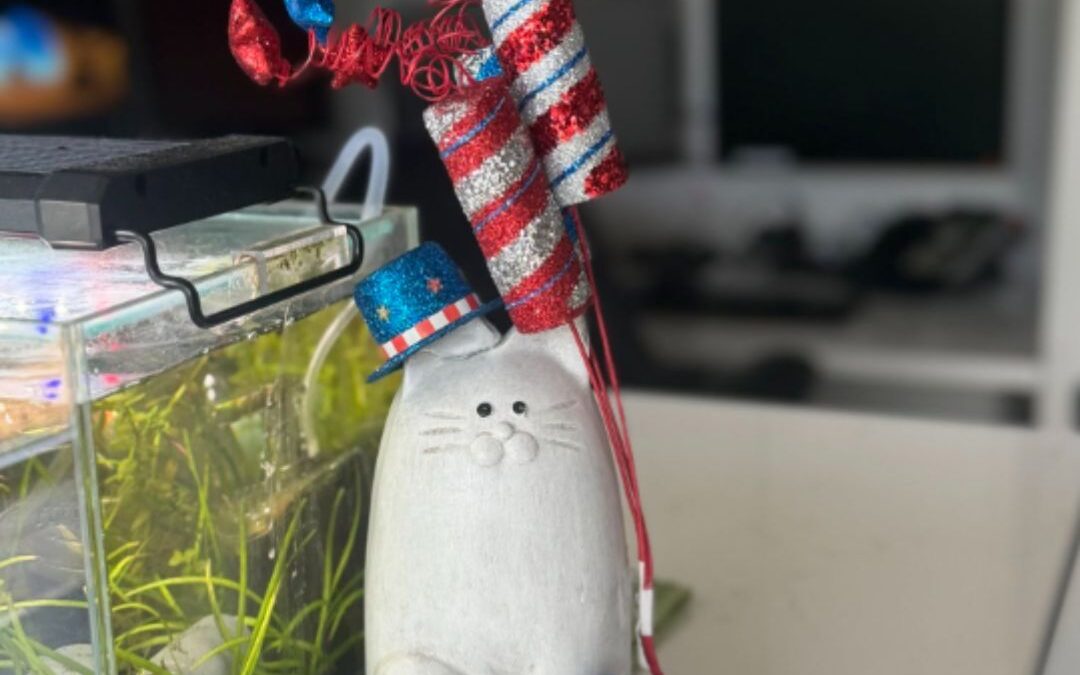
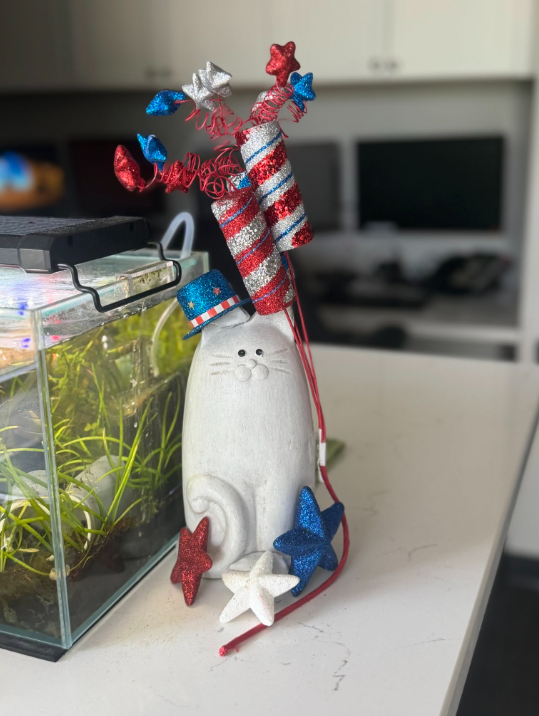
While the official fourth may have passed, the Counter Cat brings a smile to my face daily and keeps us in the holiday spirit year round.
It constantly amazes me the talents of our team, their hobbies, their wheelhouses. One of our care coordinators, Carol, has adopted our constantly changing Counter Cat. Our cat has been through a lot over the years with some unfortunate injuries of his own, broken ear, broken toe. But Carol seems to always find a solution. Every month brings a fresh seasonal surprise. Carol’s attention to detail and creativity constantly amazes me.
So many of our friends know exactly where to go for the treats. It is uncanny, they will be focused and stoic for the whole exam and then beeline to the treat corner.
If you were wondering, Stewarts Beef Liver, Zukes, Honeycombs, Captain Crunch, peanut butter, Friskies treats, Gentle Snackers (for our hypoallergenic friends), Purina EN (for sensitive tummies), Churro, peanut butter, Easy Cheese, and whipped cream are all on the menu!
Grain-Free Dog Food and Heart Disease: What Pet Owners Need to Know
Grain-free dog food is not medically necessary for the vast majority of dogs, and the FDA has been investigating a link between grain-free diets, particularly those high in peas and lentils, and a serious heart condition called dilated cardiomyopathy (DCM). Here is what pet owners need to know before choosing a grain-free diet.
The Grain-Free Gamble
When the grain-free movement started gaining popularity, corn was removed from many diets and replaced, often, with peas and lentils. Ironically, while there is no data supporting corn being harmful, there is a meaningful and still-unexplained association between these legume-heavy diets and DCM (dilated cardiomyopathy), a potentially fatal heart condition in dogs not genetically predisposed to the disease.
The biography of grain-free food and the pet food industry is entertaining if nothing else. It starts in the early 2000s, when high-protein, gluten-free eating lifestyles (ex. Atkins) became popular in the United States. Like many things, we tend to anthropomorphize, or translate what makes sense for humans into something that also makes sense for animals – in this case, our pets. The vision of wolves and tigers being direct relatives to Fido and Fluffy only supported this theory. The melamine scandal in 2007 (thousands of pets got sick or died when Chinese wheat was contaminated with the toxin melamine) only added to the fear of feeding grains to our pets. Thus, the perfect setting was set in the mid-2010s for pet food makers to swoop in and create a whole new market of grain-free diets.
Enter Legumes
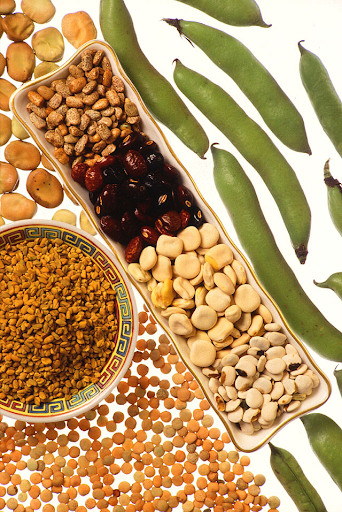
The question, as pet food companies went grain-free, was then what to replace the grains with – what would provide energy density, bind kibble, and carry moisture as effectively as corn and wheat? Enter potatoes, sweet potatoes, and, most popular, legumes (ex. peas, lentils, chickpeas) to the story. Legumes became the star of the show, providing protein and allowing less expensive meat to be used for dog and cat food, while meeting protein standards and still being palatable. Very quickly, as often happens, starting around 2007, lobbyists became involved, actively influencing pet food manufacturers and increasing the use of legumes in pet food from nearly nothing to an estimated up to 20% of the US legume market within ten years.
Trouble on the Horizon
In 2018 there was a ripple – a hint of things to come. The FDA announced it was investigating a potential link between grain-free diets and a serious heart condition called dilated cardiomyopathy (DCM), a potentially fatal disease where the heart muscle weakens and the chambers enlarge. DCM was appearing in breeds not considered genetically predisposed to it. Upon further investigation, there was a trend in these dogs, and it was a grain-free diet – with over 90% of foods implicated being grain-free, and 93% containing peas or lentils. Potatoes and sweet potatoes appeared in 42% of cases.
More Questions Than Answers
To this day, the exact cause and effect is not fully understood between grain-free, lentil, or potato-containing food, DNA predisposition, and DCM. What we do know clinically is this: the association is real enough that it cannot be dismissed, grain-free diets are not physiologically or medically necessary for the vast majority of pets, and in many cases dogs showed meaningful cardiac improvement after switching away from grain-free diets, though outcomes varied. Ultimately, the risk is not worth it for zero benefit.
Is Corn Bad for Dogs? The Truth Behind the Filler Myth
Corn is not a cheap filler in pet food. When properly processed, it supplies protein, complex carbohydrates, fiber, essential amino acids, and multiple vitamins, and cooked corn is about 95% digestible for dogs. Here is where corn’s bad reputation actually came from.
Let Us Get Corny
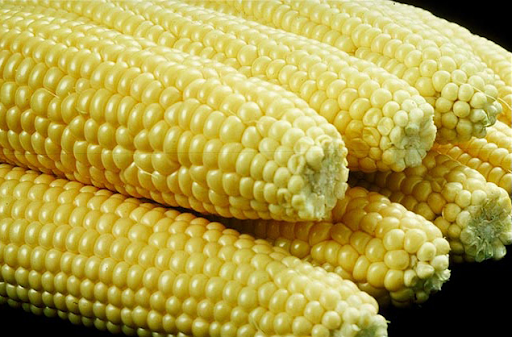
Corn brings images of hot summer days, fields of tall stalks baking in the sun, barbecues and butter to mind, tortilla chips. For some reason, over the last few decades, the image of corn for pet owners has shifted to something that is “bad” or “less than” when it comes to providing quality food for our pets. It has been given the dirty title of filler by successful marketing campaigns, ultimately casting a shadow on any food listing corn in its ingredient list. The words “cheap filler,” meaning having no nutritional value, became a catch phrase and spread like wildfire. The truth is that corn, processed properly, supplies protein, complex carbohydrates, dietary fiber, essential amino acids, beta-carotene, vitamin E, lutein, and multiple B vitamins. This is a classic example of how false rumors spread and somehow become “fact” to the detriment of the consumer.
Carnivore No More
Another false claim is that pets cannot digest corn, which has been supported by marketing campaigns that lead owners to look at their cat or dog nutritionally as if they were a tiger or wolf. Cats are actually obligate carnivores, meaning their bodies are required to get some nutrients from meat. Domesticated dogs, on the other hand, are not carnivores, and instead evolved alongside humans and genetically developed the ability to digest starches like corn. Dogs can thrive on a varied diet that includes plant-based ingredients alongside animal protein. While raw corn kernels are poorly digested – which is why you can see them passing intact in the stool – corn used in pet food is ground and cooked, making it 95% digestible. For all of these reasons, the grain-free push was very much one of marketing and not of physiology, necessity, or medicine.
Corn Allergies
The claim that corn causes allergies in pets is also not supported by data; in fact, grains in general are the least likely source of food allergies. Beef, dairy, chicken, and lamb are far more likely to be the culprit. Corn makes up less than 5% of diagnosed food allergies in pets.
Ingredient myths like this are exactly why we built a full guide to reading pet food labels. See it here: complete pet food label guide.