
Is Corn Bad for Dogs? The Truth Behind the Filler Myth
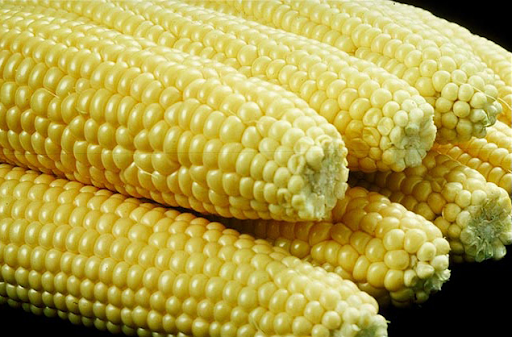
Corn is not a cheap filler in pet food. When properly processed, it supplies protein, complex carbohydrates, fiber, essential amino acids, and multiple vitamins, and cooked corn is about 95% digestible for dogs. Here is where corn’s bad reputation actually came from.
Let Us Get Corny
Corn brings images of hot summer days, fields of tall stalks baking in the sun, barbecues and butter to mind, tortilla chips. For some reason, over the last few decades, the image of corn for pet owners has shifted to something that is “bad” or “less than” when it comes to providing quality food for our pets. It has been given the dirty title of filler by successful marketing campaigns, ultimately casting a shadow on any food listing corn in its ingredient list. The words “cheap filler,” meaning having no nutritional value, became a catch phrase and spread like wildfire. The truth is that corn, processed properly, supplies protein, complex carbohydrates, dietary fiber, essential amino acids, beta-carotene, vitamin E, lutein, and multiple B vitamins. This is a classic example of how false rumors spread and somehow become “fact” to the detriment of the consumer.
Carnivore No More
Another false claim is that pets cannot digest corn, which has been supported by marketing campaigns that lead owners to look at their cat or dog nutritionally as if they were a tiger or wolf. Cats are actually obligate carnivores, meaning their bodies are required to get some nutrients from meat. Domesticated dogs, on the other hand, are not carnivores, and instead evolved alongside humans and genetically developed the ability to digest starches like corn. Dogs can thrive on a varied diet that includes plant-based ingredients alongside animal protein. While raw corn kernels are poorly digested – which is why you can see them passing intact in the stool – corn used in pet food is ground and cooked, making it 95% digestible. For all of these reasons, the grain-free push was very much one of marketing and not of physiology, necessity, or medicine.
Corn Allergies
The claim that corn causes allergies in pets is also not supported by data; in fact, grains in general are the least likely source of food allergies. Beef, dairy, chicken, and lamb are far more likely to be the culprit. Corn makes up less than 5% of diagnosed food allergies in pets.
Ingredient myths like this are exactly why we built a full guide to reading pet food labels. See it here: complete pet food label guide.
Corn was not the only ingredient to get an undeserved reputation. Learn what replaced it, and why that came with its own risks: Grain-Free Dog Food and Heart Disease: What Pet Owners Need to Know.
Have questions about your pet’s specific diet? Our veterinary team is happy to walk through your pet’s current food at any wellness visit. Schedule a visit with Healthy Paws Animal Hospital.