Vaccines- Core vs NonCore, Canine

Vaccines- Core vs NonCore, Canine

Core Vaccines & Your Dog

By Dr. Karen Burgess

Vaccine
Distemper (D)
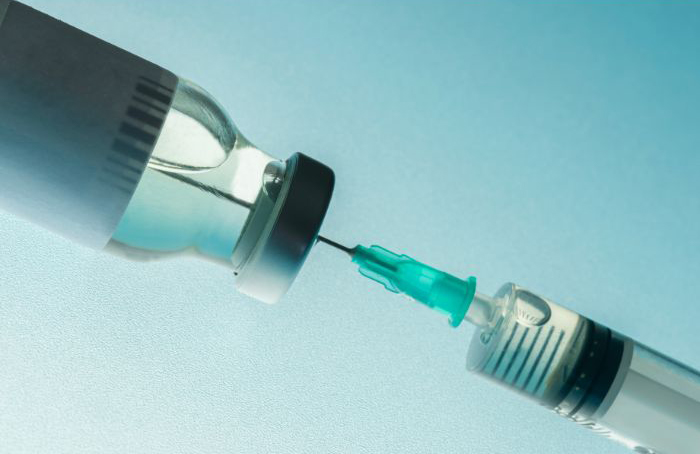
Distemper is a contagious virus that is spread by infected dogs. It can lead to pneumonia, seizures, and even death. Puppies are protected by their mother’s milk initially and then by vaccinations given by your veterinarian every three weeks through 16 weeks of age, it is boostered one year later, and then given no more frequently than every three years.

Adenovirus 2 (A)
There are two different strains of adenovirus that are spread by unvaccinated, infected dogs. One causes a potentially fatal infectious hepatitis while the second strain contributes to “kennel cough”. Puppies are protected by their mother’s milk initially and then by vaccinations given by your veterinarian every three weeks through 16 weeks of age, it is boostered one year later, and then given no more frequently than every three years.

Parvovirus (P)
Parvo is an extremely contagious virus that causes a severe infection of the stomach and intestines. This leads to bloody diarrhea, vomiting, and often, if not treated, death. Puppies gain protection initially from their mother’s milk, but as this immunity fades they require vaccinations to prevent infection. The disease is spread by infected dog’s feces and is very hardy, surviving in the environment for months. Young, unvaccinated dogs are very susceptible, so avoid walking your young pet in public areas until they are completely vaccinated.

Nutrition, Choosing Pet Food

Nutrition, Choosing Pet Food

What makes a good pet food?

By Dr. Karen Burgess

Pet food quality is an often discussed but poorly understood hot topic. Ask ten people and you will likely hear ten different opinions on how to best feed your pet. Unfortunately the pet food industry is not well regulated allowing many well-intentioned but often uninformed opinions to circulate. Feeding decisions are often based on descriptive marketing, emotion, and passionate beliefs. Addressed in this article are several objective ways to evaluate your pet’s diet. While pet food is a 21 billion dollar industry, your pet is a one and only, and these tools will help make the best feeding decisions for them.

Essential in the selection of an appropriate pet food are the following:

  • Trust in the company producing the food, knowing that they have the ability to develop a safe product from recipe to the bag you open
  • Finding a food your pet does well with, there is not one right food for all pets, finding a product that your pet enjoys and thrives on physically is essential
  • Affordibility, good pet food does not have to be expensive
  • Accessibily, are you able to obtain fresh bags when needed

How important is the ingredient list?
While ingredient lists are the primary focus of many, it is one of the most misleading and easily manipulated areas in pet food production. It is important to look at the complete nutrient profile of a food not just one or two individual ingredients. For this reason, it is one of the last things Dr. Burgess would recommend using to choose an appropriate pet food. Some common myths with regard to ingredient lists include

Myth– Whole meat such as chicken listed as a top ingredient makes for a better pet food.

What most do not realize is that ingredients are listed in order of weight from high to low before processing. But this includes water which in the case of meat is typically 75% of its weight. In addition, using chicken as an example, bone is included in the definition of chicken. Thus a pet food could contain very little meat relative to bone and still have chicken listed as a top ingredient.

Myth– By products are low quality and undesirable in pet food.

Using chicken again as an example, by products which include liver, organ meat, and brain are often very nutritious and while not regularly eaten by people in the US, they are considered delicacies elsewhere. It is the quality of the by-product being used that is important which comes back to a pet food company’s commitment to produce a safe and nutritious food every time. This involves process and quality controls throughout.

Myth– Grain is not good for dogs and of no nutritional value.

Dogs are not pure carnivores and can absorb nutrients from non-meat food items. Gluten intolerance is also extremely rare in dogs. Often grain free foods are higher in calories and fat then traditional pet foods leading to weight gain and digestive issues for some pets.

Myth– Corn is a filler and if found in a pet food means it is lower quality.

Ground cooked corn is very easy for pets to digest and a good source of energy, fatty acids, antioxidants, and carbohydrates or energy. Ground corn flour is considered a good protein source. While often suggested to be allergenic, corn has been shown to be less of a problem than other proteins including dairy, wheat, chicken, egg, beef, lamb, and soy.

Other little understood facts. All dry pet food contains preservatives. Processed food can be as simple as peeling, cooking, or chopping of an item. Just because a food is processed does not make it inferior.

Is the food manufacturer’s contact information readily available on the packaging?
Probably the easiest of the criteria to understand, it is surprising how difficult it can be to find contact information for a pet food manufacturer. A reliable company should be easy to get ahold of and eager to answer a consumer’s questions about their product. Information that should be readily offered includes caloric density of the food and complete nutrient analysis (NOT just minimum and maximum values). Pre production regulation of pet food does not exist and problems are only addressed after complaints have been made and ironically proof is only required that a particular ingredient is unsafe, not that it is safe or of actual value. This makes trust in a pet food company that much more important.

Who creates the diet (makes the formulations) and what are their qualifications?
Passion for pets and a love of cooking does not qualify someone to create a consistent quality nutritionally balanced pet food. Unfortunately as far as the pet food industry is concerned, no real experience or education is required to develop pet food. Nutrition is an extremely complex science. Pet food development should involve a veterinary nutritionist or PhD in nutrition. Larger companies such as Hills retain full time employees with these qualifications.

What is the diet’s AAFCO certification?
AAFCO (Association of American Feed Control Officials) is a “voluntary membership association of local, state and federal agencies charged by law to regulate the sale and distribution of animal feeds and animal drug remedies”. They are the primary means by which pet food is regulated in the United States. While having no regulatory power, AAFCO establishes nutrient guidelines for pet foods. AAFCO statements are discussed in more detail in a separate handout, but foods are either formulated to meet AAFCO nutritional standards or have been fed to animals in an AAFCO approved food trial setting (more desirable and more expensive).

Where is the diet manufactured/produced? Does the company own their plants or are they subcontracted/co-manufactured?
A co-manufacturer (or co-packer) is a company that is contracted to make pet food, provide ingredients, and often even develop the diet. Large pet food companies like Hills and Purina will typically own their own plants and control the manufacturing process from ingredient delivery through distribution. This involvement with the product from beginning to end is both an investment financially and contributes to the overall quality of the final product.

What type of testing is done on the food to ensure its safety (i.e from bacterial contamination) and consistency from bag to bag?
Ingredients are tested by suppliers, but proactive pet food manufacturers will independently test ingredients before accepting them into their plants to ensure their safety and quality. Large manufacturers will test their food numerous times during the production process to make sure their product is reliable and safe from start to finish. Hills will not release product from their plants until batch cultures and analysis are completed. Feeding trials and palatability testing are not required but very beneficial in the development of a successful food. Likewise shelf-life and packaging testing are not mandatory but obviously essential for a reliable product.

How well are the nutrients in the pet food analyzed?
Analysis of the nutrients in pet food is legally required in the US. However the frequency is not. Higher quality pet foods will have their fat, fiber, protein, carbohydrate, and moisture composition analyzed throughout the production process. While this is more expensive it ensures that the final product retains the nutrient profile promised.

Are claims made by the company reputable?
Anecdotal claims are common in the pet food industry, and package labeling laws make these difficult for owners to determine what are opinion and what are fact. Independent testing and peer-reviewed journal articles are reliable references that pet food companies should be able to provide for claims made. Also be aware that advertisements and website claims for pet food do not have to be true, only the pet food label is regulated.

Insurance

Insurance

Pet Insurance Dilemmas

By Dr. Karen Burgess

We are frequently asked about purchasing pet insurance and whether it’s a good idea.  Ultimately, the answer is not the same for everyone and will depend on what you want pet insurance to do for you.

The first thing to realize is that pet insurance is not a way to save money on the regular costs of owning a pet.  Just as buying car insurance is not a way to “save money”, purchasing pet insurance will not reduce your overall pet care bills.  Even pet insurance plans that rebate you a portion of your wellness expenses will not save you money, because often those plans will just provide that much less coverage in other areas.

So, if pet insurance isn’t a way to save money, how does it help you?  The answer is simple: Because pets have accelerated life spans compared to humans, going from infancy to old age in 10 years, a lifetime of medical issues can be condensed into a few short years.  Pet insurance allows you to prepare for this.  When the time comes, you are able to focus on your pet’s needs without having to dip into your savings.

With that in mind, here are some guidelines for whether purchasing pet insurance makes sense for you:

We recommend pet insurance if:

Pet insurance may not be useful if:

You treat your pet like a member of the
family.
Your pet has had medical problems in the
past and you are worried about
reoccurrence.
Your breed of pet is known to have genetic
problems.
You are hoping that pet insurance will reduce
your overall pet costs.
You become nervous thinking about
veterinary bills.
Your pet already has a problem or you
suspect one.
Even if you have substantial savings, you
think it might be hard for you to spend it
when your pet is sick.
You have a fair amount of money saved and
you are willing to spend it on the care of your
pet.
You think that you might be tempted to take
shortcuts on your pet’s health due to financial
reasons.
You are mainly interested in pet insurance to
cover wellness.
You have a healthy pet now, but are
concerned about problems that might arise
later.

Top 6 questions:

1. How does it work?
All pet insurance works on a reimbursement basis. You will pay for service upfront, and your pet insurer will reimburse you directly. Reimbursement time varies from company to company, but expect to wait approximately two weeks.

2. What is covered?
All insurances will cover unexpected events (illnesses, injuries, diagnostics, medicines, hospitalization, etc). Some plans can also rebate a portion of your yearly wellness costs but may contain significant exclusions for illness and injury.

3. My pet already has a problem or I suspect a problem. Can I get pet insurance?
Not for the healthy problem your pet already has, as it is pre-existing. Pet insurance would cover future unrelated issues.

4. How much does it cost?
Although prices depend on various factors such as pet age and breed, expect to pay between $35-$55 per month.

5. If my pet has had a problem in the past, will pet insurance cover it if it happens again?
Probably not. If you are concerned about a problem coming back, chances are that your pet insurance company is too.

6. I have a healthy puppy; do I really need pet insurance?
If you ever see yourself buying pet insurance, it is better to do so when your pet is young rather than waiting till they get older. Additionally, certain hereditary and congenital defects can become evident while pets are still young so insuring young can prevent the pre-existing ‘clause’ in most cases.

What should you look out for or consider when shopping for pet insurance provider?

If you choose to purchase pet insurance, be sure you understand and are comfortable with how your chosen pet insurance company handles these issues:

  • Is there a max yearly or lifetime dollar limit? If so what is that limit?
  • After obtaining insurance, what is the waiting period for illness claims and accident claims?
  • Coverage for hereditary and congenital conditions.
  • Does the company pay “Actual fees” or do they pay according to a “fee schedule”? If they pay according to a “fee schedule”, are the reimbursement amounts realistic for the area you live in?
  • What happens when you file claims? Do your rates increase? Will those conditions be excluded from future cover?
  • What will prices be like when you pet is significantly older?
  • What wellness procedures are covered and what is the additional cost to have them covered?

Two excellent sources of information can be found on the web:

For a basic understanding of pet insurance, you can visit the pet insurance guide.
For user ratings of pet insurance, you can visit the pet insurance review.

Elizabethean Collars (E-Collar)

Elizabethean Collars (E-Collar)

Elizabethean Collars (Protective Collars)

By Dr. Karen Burgess

Types of protective collars

  • The typical Elizabethean collar or E-collar is a hard plastic cone or lampshade shaped apparatus that fits over a pet’s head with the narrow portion (lampshade top) secured to the neck with a piece of gauze or collar. E-collars are typically used to prevent either self-destruction or injury by a pet. Common uses include after surgery, protection of bandages, prevention of scratching, or prevention of eye rubbing. E-collars are often cumbersome for pets and their owners. Subsequently several newer protective collars have been developed over the years. Some examples include
  • Comfy Cone-made of stiff nylon fabric this washable collar this reusable; light weight version is less bothersome for many pets and their owners than the traditional hard plastic collar.
  • Recovery Collar-soft nylon fabric collar, typically more appropriate for smaller patients such as cats; does not provide the same degree of restriction as a stiff collar making it inappropriate for some conditions
  • Inflatable donut style-these collars do not extend around the head like traditional E-collars making the more tolerable for some. There use is limited to conditions that pets cannot reach around and still access a given area.
  • Rigid Velcro style-similar to inflatable collars and resembling a human neck brace.

How to properly fit an Elizabethean collar on your pet
An E-collar should fit snugly thus preventing removal by a pet. A good rule of thumb is that if two fingers can fit between whatever is securing the collar and the neck than it is not too tight. Pets should initially be closely monitored to ensure that the collar is fitted appropriately. It is also important to ensure that the length of the collar does not allow access to whatever is being protected, extending just past the nose when viewed from the side.

Initial response to an Elizabethean collar
Pets will range in their response to having and E-collar on. Some will accept it immediately and aside from some initial clumsiness not miss a beat. Others will initially act as if they are paralyzed and unable to move. Finally, some will fight the collar violently trying to paw it off incessantly. Animals that become stuck in one position will typically adjust in a short time frame. It may help to lay them down in a room and let them be while they adjust. Pets that fight a collar may benefit from a walk outside, special treat, or ultimately require being put in a safe room where they are given the opportunity to work things out on their own.

Caring for an Elizabethean collar
General cleaning of the inside and outside of the collar with soap and water is recommended as it gets dirty. Ensure that the collar is kept dry to prevent moisture induced issues. Trimming of the fur may be necessary to assist with moisture control.

Some common concerns regarding the use of Elizabethean collars

  • Eating and drinking-pets should still be able to eat and drink with an E-collar in place. Elevation of the food and water bowl two to four inches off the ground will assist with this. Make sure the diameter of bowls is smaller than that of the E-collar. Also be aware the in particular initially pets will be somewhat clumsy and more apt to knock their bowls over. It may be helpful to handfeed your pet from their bowl initially so they can “learn” how to eat with the E-colla in place. Some collars (ex. Comfy Cones) allow for the edge of the collar to be temporarily folded back providing easier access to bowls. If removal of the collar is authorized for feeding this must only be done under direct visual supervision.
  • Outside play should be monitored while a pet is wearing an E-collar to avoid becoming trapped or injured unintentionally.
  • Running into objects and catching the E-collar on items (ex. stairsteps) is common in the first few days. Peripheral vision and hearing may be affected. Put valuables up and supervise your pet as the adjust to navigating initially.

Bandage Care

Bandage Care

Bandage Care Guidelines

By Dr. Karen Burgess

Protect the bandage from self-mutilation, other pets, and the environment
It is not uncommon for pets to chew at bandages, whether it is their own or a housemate’s. Keeping an Elizabethean Collar (E-Collar) on at all times may be necessary to prevent self-destructive behavior. Limiting activity including play is also recommended. A pet with a bandage should never be allowed unsupervised around other pets or in the yard. Confinement in a crate or small room in an owner’s absence is recommended. When going outside the bandage should be protected from the elements by either wrapping with a plastic bag or using a protective cover specifically designed for bandages.

Ensure the bandage stays dry
Wet bandages can harbor bacteria and lead to tissue damage. The padding used in bandages and casts is soft allowing a cushion effect but at the same time is very absorbent and any moisture will not dry due to diminished airflow. A wet bandage should be replaced immediately. Pets are often more clumsy with elimination while wearing a bandage or cast and may unintentionally soil themselves. When going outside the bandage should be protected from the elements by either wrapping with a plastic bag or using a protective cover specifically designed for bandages.

Monitor tightness of bandage
Bandage material can be constrictive affecting blood flow to an area. In addition the loss of blood flow is often hidden by the bandage itself. Watch for any swelling, increase in pain, or sudden increase in chewing as signs of a possibly too tight bandage which should be evaluated immediately.

Watch for bandage slippage
Take note of where a bandage or cast is positioned initially and watch for any signs of slippage.

Do not attempt to modify a bandage at home
Safely applying a bandage or cast should only be done by trained professionals. It is very easy to cause damage with an improperly applied bandage often leading to more problems than a pet started with. Do not be tempted to cut, add tape to, or reapply a bandage at home.

Seek veterinary assistance immediately if a bandage is wet, slipping, has an odor, is causing swelling or increased pain, or in general appears to be malfunctioning.