

Caring for Cats: What Makes Them Different and Why It Matters
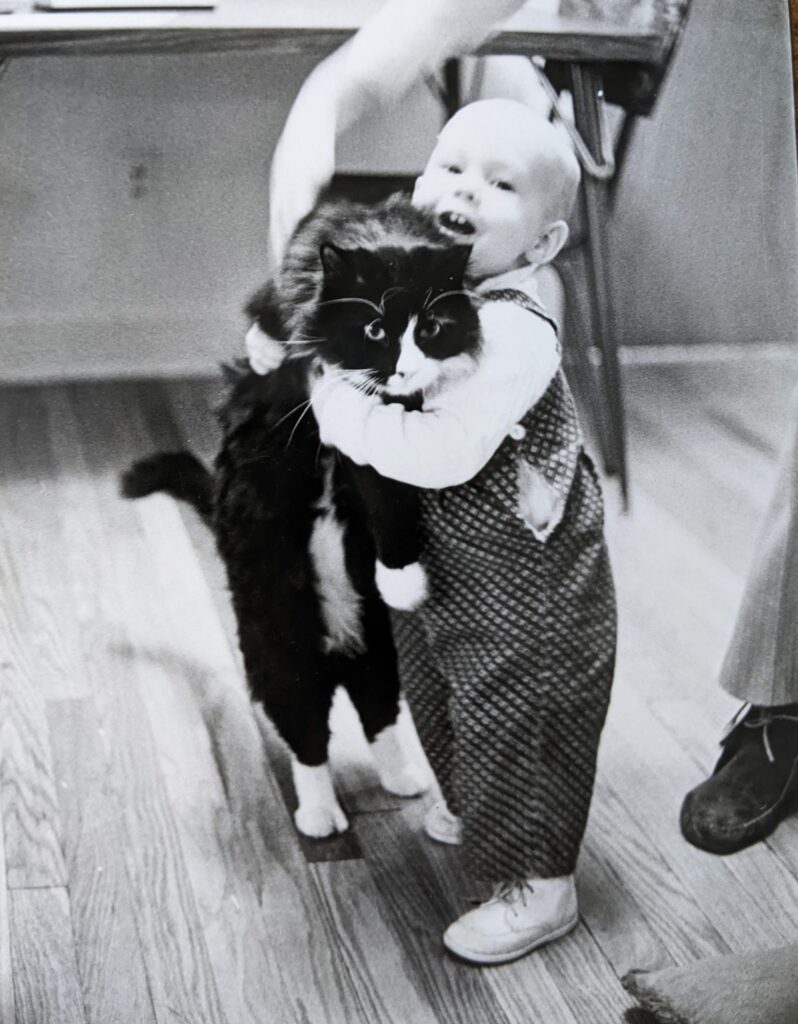
I grew up a cat girl, carrying our patient cat Cicero dangling from my young arms like a mummy from here to there. Midas, the cat who ultimately moved across the country with me, lived until he was 20 years old. I have always laughingly said that we live with cats, they are our roommates, not a possession to be owned and controlled.
If you have ever owned a cat you know that they march to their own drum, often running the house regardless of human or dog roomies. Independent, playful in a mischievous way, strong willed, and able to stop you in your tracks with a sideways glare, our feline friends deserve the respect they are due. At Healthy Paws Animal Hospital we work to create an environment that supports cats’ unique needs socially, environmentally, and medically.
Why Cats Need a Different Kind of Care
Understanding that cats are not small dogs is essential. As a veterinarian, recognizing the specific medical needs and behaviors that make cats unique is fundamental to providing them with the care they need to live well into their teens. Knowing how to read stress signs before a cat loses their mind, and understanding that cats hide disease like no other species, shapes everything about how we approach our feline patients. Respect for cats is how we start a successful veterinary relationship.
Those differences are not abstractions here. They shaped the building: there is no waiting room, our exam rooms have floor to ceiling windows and hiding spots, and we read what a cat is telling us before we ask anything more of them. If you would like the detail, it is all on our cat care page.
Little Signs, Big Meaning
Treating a cat is more like art than science. With cats being so good at hiding disease better than other species, it is imperative that we listen to owners for subtle changes in behavior. Often small changes in weight or water consumption can be the earliest signs of disease. Cats are notorious for not showing signs of illness until they are sometimes dangerously sick. This is why it is important to partner with a veterinary team that takes your cat’s health seriously and pays attention to the little things that are often signs of bigger ones.
The subtle signs cat owners should pay closest attention to include:
Weight changes. Many people do not realize that losing one pound in a cat often represents more than 10% of their body weight, and that is significant. It is nearly impossible to monitor a cat’s weight accurately without a scale designed for small animals. Changes that would go unnoticed on a human scale can be captured early at home, which is why a baby scale is honestly one of the best gifts a cat owner can give their pet.
Water consumption. Cats are descendants of desert animals and are able to compensate for water scarcity in ways most people do not realize. It is actually considered unusual to see a cat drinking water on a regular basis. This is why increased drinking is often one of the earliest signs of diseases like kidney failure and diabetes. Similarly, finding larger clumps in the litter box should be reported to your veterinarian for possible evaluation.
Hiding or withdrawal. Cats are masters at hiding illness. Withdrawing from their normal routine, sleeping in odd locations, or failure to come out for meals are all potentially signs of serious illness and should be taken seriously. If you think your cat is hiding, trust your gut. You know them best. Seek veterinary help.
Litter box changes. Cats do not like to associate pain with their litter box, whether that pain is physical, mental, social, or emotional. Bladder inflammation, infection, or even the fear of being pounced on by a housemate can all lead a cat to stage a litter box boycott. Sometimes the solution is as simple as adding a box or changing the litter type. Other times it takes a bit more patience and testing to get to the bottom of it. Either way, any change in litter box habits is worth a conversation with your veterinarian.
Grooming changes. Cats are meticulous with their coats, and changes in grooming habits often signal a problem. Whether because they are feeling under the weather, are carrying excess weight and physically unable to reach certain areas, or have arthritis limiting their mobility, unkempt fur in a cat is telling and deserves attention.
Appetite changes. Both an increase and a decrease in appetite can be significant. Eating more, particularly when accompanied by weight loss, is often seen with thyroid disease and diabetes. Decreased appetite can have a myriad of causes ranging from simple, such as food preference or spoiled food, to more complex, such as dental disease or kidney disease.
Vocalization changes. A less specific sign, meowing incessantly or at night can be a very subtle indicator of a variety of medical problems in cats. Do not discount a screaming kitty as just being more talkative. It may be a very early sign of disease.
Frequently Asked Questions
How do I get my cat into a carrier without a battle?
Ahhh, often the toughest part of the veterinary visit. Getting there. We recommend treating the carrier like a piece of furniture, making it a part of everyday life, hiding treats or toys in it, making it the rule and not the exception. For additional tips on making the trip to the vet as easy as possible, check out our article here.
What is the biggest mistake cat owners make when it comes to their cat’s health?
Cats are in charge, so independent. But sometimes the strongest among us are the most vulnerable. It is easy to forget that these large and in charge felines are still living beings very much at risk for disease. Annual veterinary visits are essential to keeping our cats healthy and happy for years to come.
One Last Thing
You know your cat. When something feels different, trust that instinct. We would rather hear from you and have it be nothing than have you wait on something that needed attention sooner.
If you would like to see how we set up our hospital around cats, that is all on our cat care page. And if your cat is due, or something has simply felt off lately, schedule a visit and we will take a look.