
Pet Food Marketing Claims: What Labels Really Mean
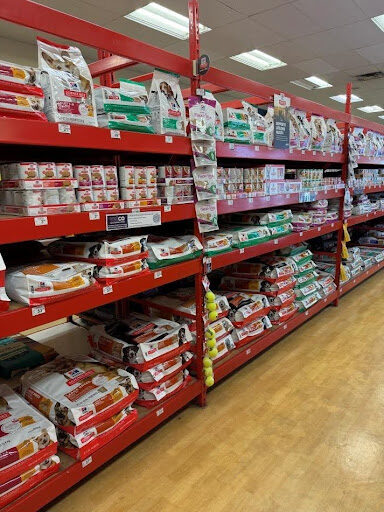
Terms like “holistic,” “premium,” and “ultra-premium” on a pet food label are pure marketing and have no legal definition. Only a handful of words — organic, natural, human-grade, and the calorie-related terms — actually carry an enforced meaning. Here is exactly which pet food label claims mean something and which are just good copywriting.
Terms With Legal Definitions
Did you know that a pet food label that says the words holistic, real, fresh, ethically sourced, or ultra-premium means absolutely nothing? These are just descriptive words that are marketing and nothing more. Some phrases that do have credible meaning include:
- Organic – Must comply with USDA National Organic Program standards. If a product uses the USDA organic seal, it must contain at least 95% organic ingredients. This is the one term on a pet food label with real, enforced standards behind it.
- Natural – Defined by AAFCO as ingredients sourced from plants, animals, or the earth and minimally processed, without chemical alteration. Synthetic vitamins are exempt and contained in nearly every pet food to meet nutrient minimums. Thus a pet food bag can say “natural” in large print while containing synthetic additives, as long as it adds the qualifier “with added vitamins and minerals.”
- Human-grade – Newly defined under AAFCO’s 2024 guidelines. Means every ingredient in the food, along with every step of processing, must meet standards set for human food. It requires documentation of every ingredient’s origin throughout the supply chain, and very few products qualify.
- Light/Lite/Low Calorie/Lean/Low Fat – All defined, with specific calorie and fat thresholds the product must meet. Of note, “weight loss” and “healthy weight” are not defined terms, and foods with these labels can have as many calories as they desire.
Terms With No Legal Definition
- Real – No definition. No requirement. Any food can use it.
- Premium/Gourmet/Holistic/Wholesome/Artisan/Craft/Fresh – None of these have regulatory definitions. A manufacturer can print any of them on any bag regardless of what is inside.
- Veterinarian formulated/Vet recommended – “Formulated” requires only one veterinarian’s involvement with no credential requirement. “Recommended” technically requires a survey but is rarely enforced.
Why This Matters
Marketing language is designed to build an emotional connection with pet owners, not to communicate nutritional quality. The only way to actually evaluate a pet food is to look past the front of the bag entirely and dig into the guaranteed analysis, ingredient list, and AAFCO statement.
This is one piece of the eight required label elements our veterinary team breaks down in our complete pet food label guide.
Curious what the ingredient list itself actually tells you? Read What Pet Food Ingredients Really Mean.
Have questions about your pet’s specific diet? Our veterinary team is happy to walk through your pet’s current food at any wellness visit. Schedule a visit with Healthy Paws Animal Hospital.