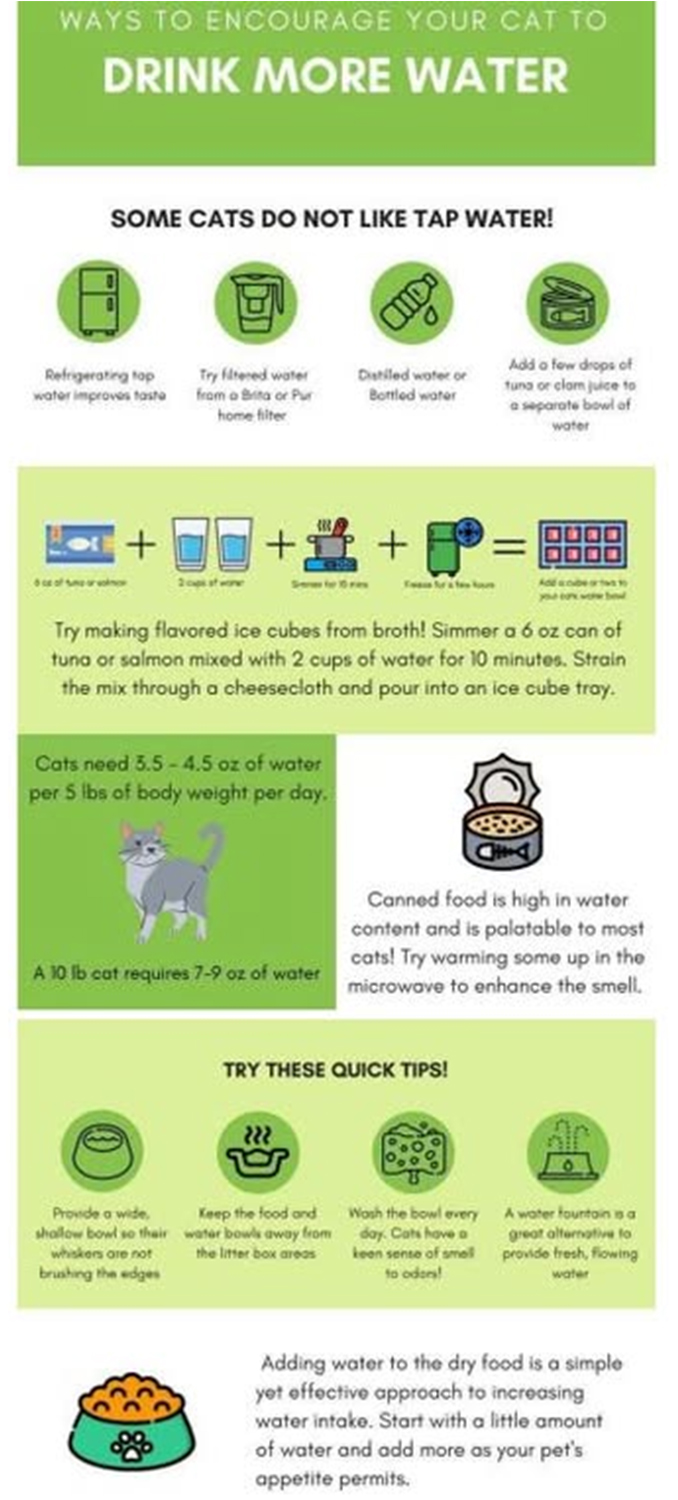
Why do cats drink so little water…and why this is safe until it isn’t
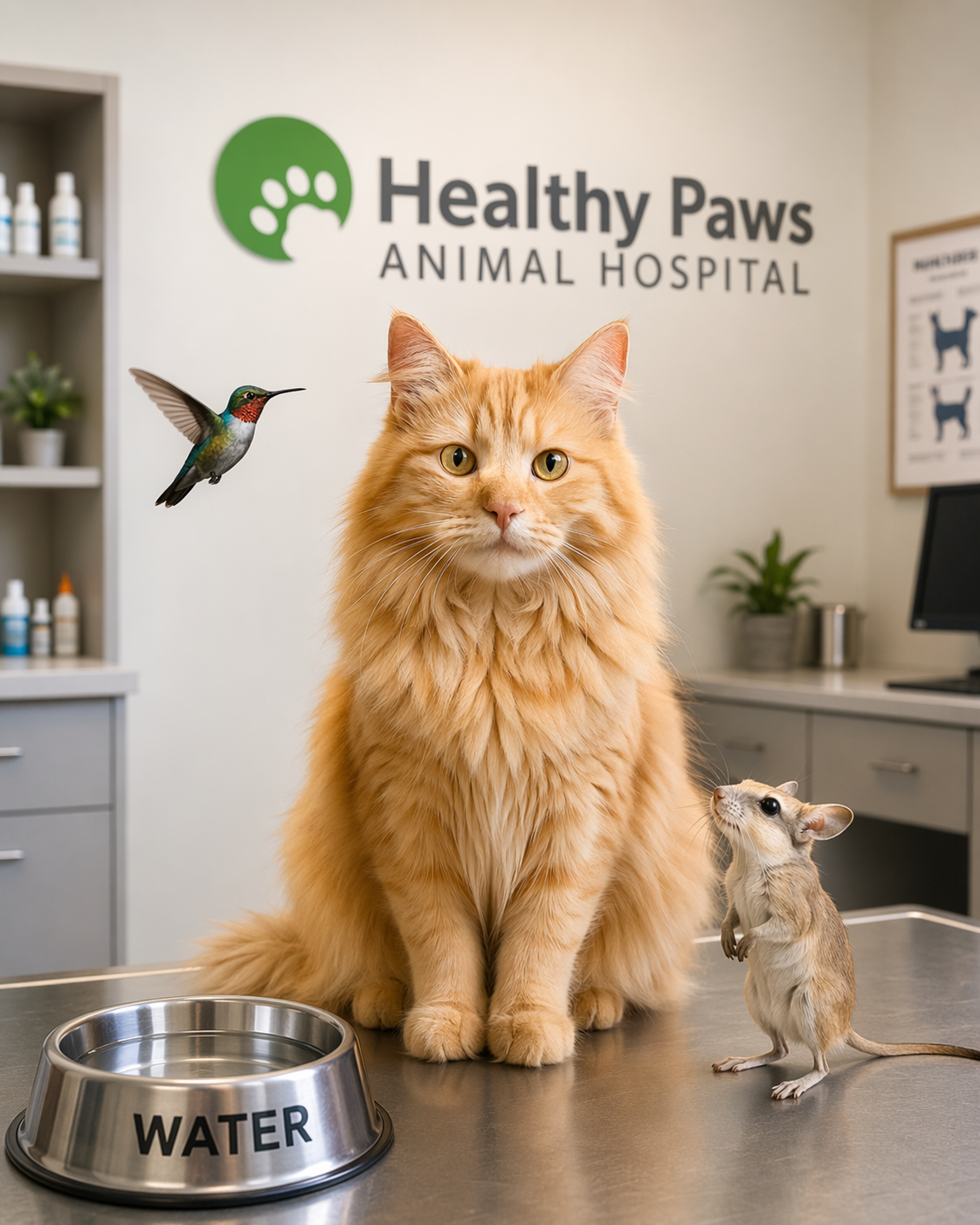
The Near Eastern Wildcat (aka African Wildcat), the domestic cat’s ancestor, gets the majority of their water from prey. The average house cat requires approximately 1 cup of water per day. This is why the debate over canned food vs. dry food is somewhat of a heated topic. More to come later this week!
Fun fact…the kangaroo rat never has to drink water, getting its water from the super power ability to “make” water from the seeds they eat and special noses that absorb water from their breath as they exhale. On the other end of the spectrum are hummingbirds who can drink well over 100% of their body weight in water daily. That would be like a 150 pound human drinking 18 gallons of water in a day!
What is domestication…why cats let us live with them and dogs need to live with us
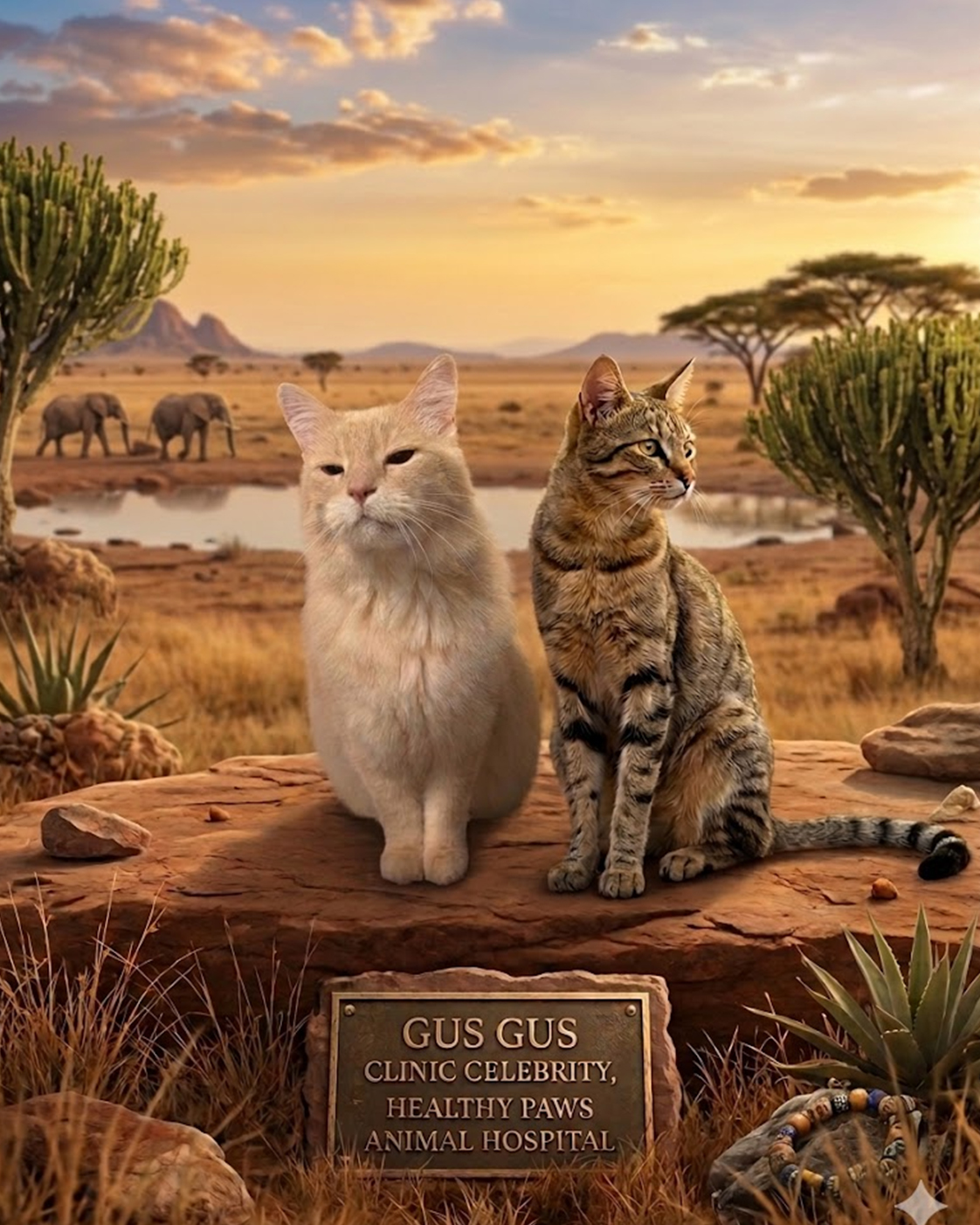
Reality check…African Wildcats live an average of 10 years, a much shorter lifespan than we desire for our family felines. We can do better and water is part of that solution. This is why incorporating canned food into your cat’s diet, even as an occasional treat, can make a real difference.
What makes Garfield different from a Wildcat
Over time species adapt to their environment. For example, domesticated cats’ brains are genetically wired to be less fearful, less solitary, and more receptive to learning (taming) compared to their wild counterparts who are known for living isolated in larger territories. The ability to live in a dehydrated state puts greater stress on your family cat’s kidneys and can predispose them to bladder irritation, stones, and kidney disease. This is why observing a household cat drinking more water or even water at all may be a very early sign of disease and require discussion with your veterinarian.
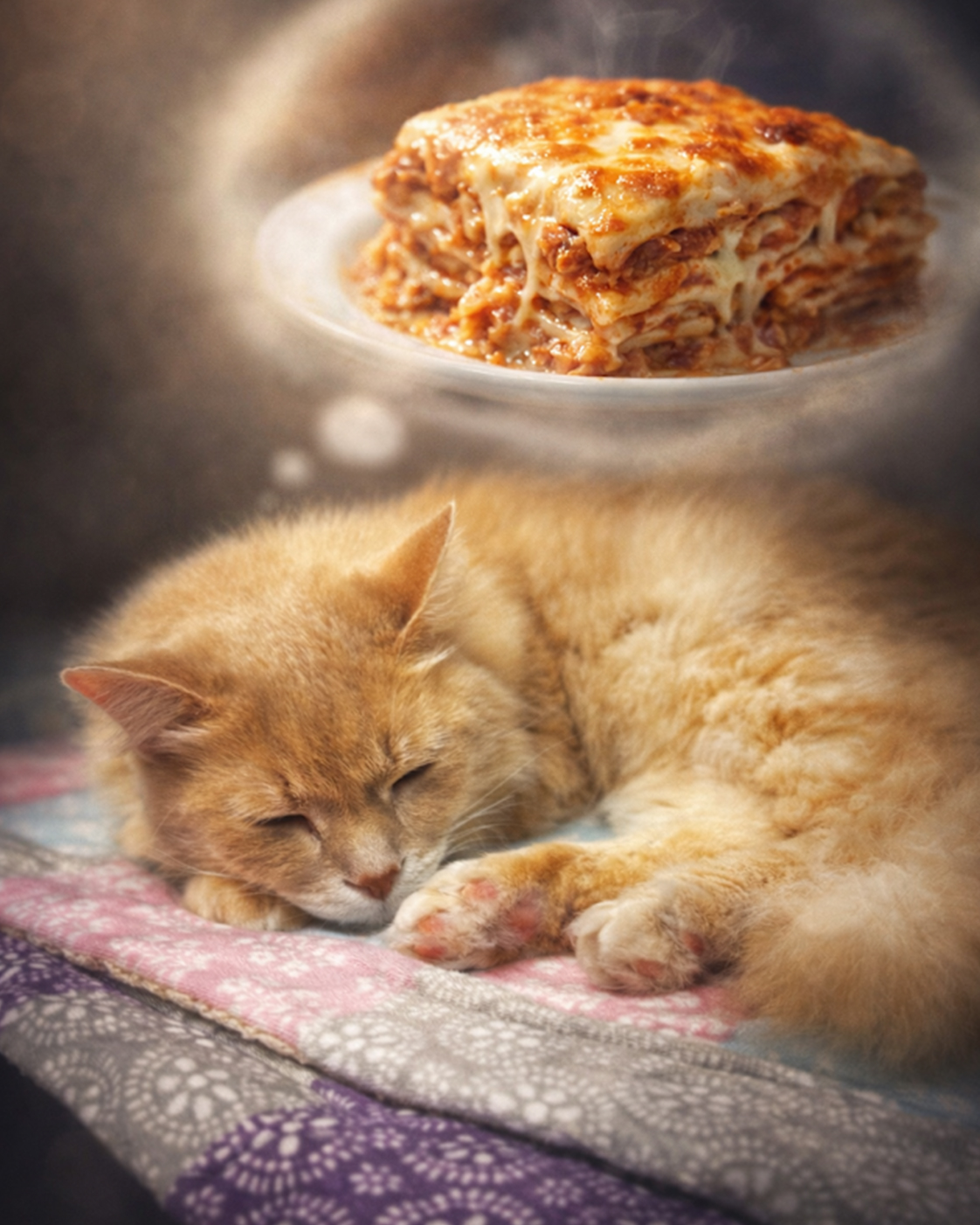
Fun fact…the cartoon character Garfield had an infatuation for lasagna, supposedly because he was born in an Italian restaurant. Garfield has been in production since 1978 and was a favorite of mine as a child…I am showing my age, did you make the connection from the picture?
Is canned food really better? Cats are just not good water drinkers
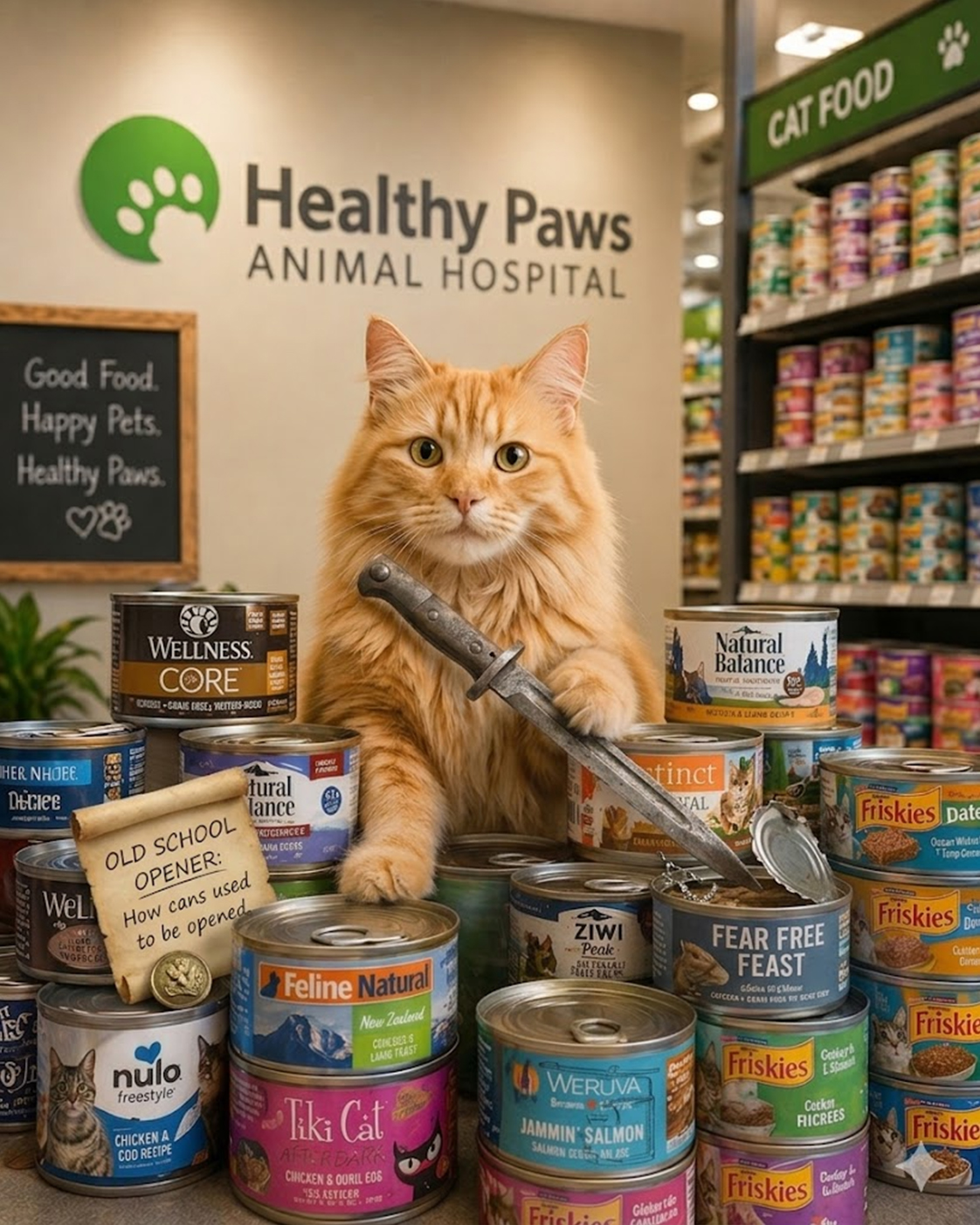
Switching from dry to canned food is one of the most effective ways to respect a cat’s natural biology. Canned food is a natural source of water, more closely matching the prey of their ancestors in both water and protein content, is typically more palatable, and may help prevent obesity, urinary tract disease, and diabetes. Questions about your cat’s diet? Give us a call or ask at your next visit.
Fun fact….While tin cans were invented in 1810, the can opener was not invented until 1858. Good thing or we would still be using bayonets, hammers, or chisels to open our feline friends’ daily meal.
Tips on getting your kitty to drink water