
General Care in Lake in the Hills, IL
At Healthy Paws Animal Hospital, we’re dedicated to keeping your pets healthy at every stage of life.
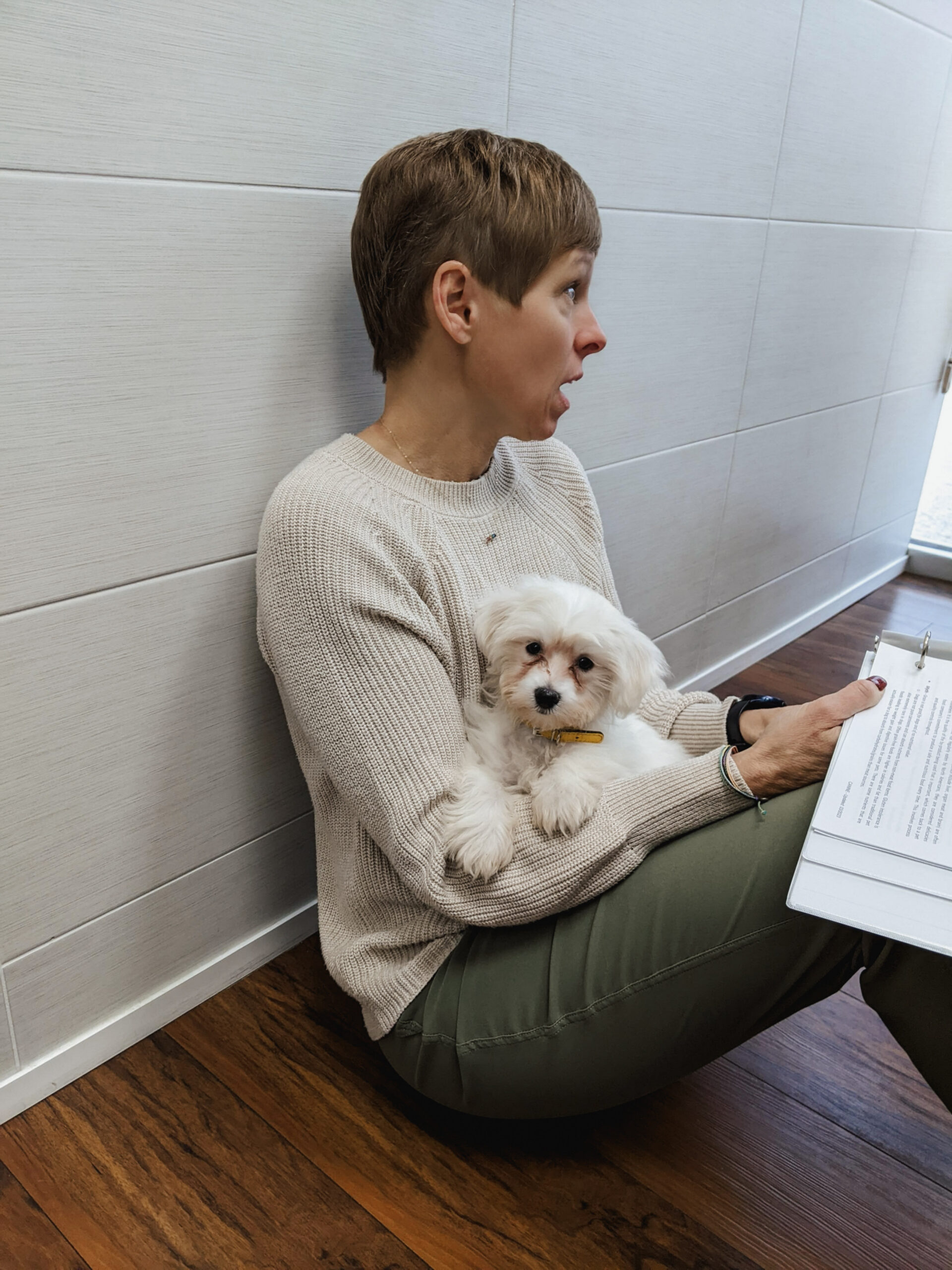
Puppy & Kitten Care
Bringing a new puppy or kitten into your home is an exhilarating experience filled with joy, anticipation, funny moments, and sometimes frustration. At Healthy Paws Animal Hospital, we appreciate the excitement and challenges that come with this journey. As your family veterinarian, we are dedicated to supporting you through every phase, ensuring the health and happiness of your newest family member and setting everyone up for success.
Below find answers to common questions about caring for a new puppy or kitten.
When should I first take my puppy or kitten to the veterinarian?
Early Checkups for Lifelong Well-being
We would like to meet and examine your new friend as soon as possible. Whether you are a first-time pet owner or a seasoned caregiver, scheduling an early visit to our clinic is vital to your pet’s well-being. A prompt checkup for your puppy or kitten allows us to identify and address any potential medical or behavioral concerns right from the start.
How often will I need to bring my puppy or kitten to see you?
Regular Checkups for Complete Care
Your puppy or kitten will be seen every two to three weeks until they are sixteen weeks (4 months) old. We will conduct a nose to tail examination during these appointments, administer necessary vaccinations, provide parasite control, and discuss behavior and nutrition milestones and concerns.
How many vaccinations will my puppy or kitten receive?
Individualized Puppy and Kitten Vaccine Schedules
It is not the number of vaccines, but instead the interval of time between vaccines that determines a pet’s vaccine schedule. Our goal is to ensure vaccination every 2-3 weeks with the final vaccines being given at (or after) 16 weeks of age.
Core vaccinations are given to all pets and boostered as necessary. These include:
- Puppies: DA2P (Distemper, Adenovirus 2, Parvovirus), Leptospirosis, Rabies
- Kittens: FVRCP (Feline Viral Rhinotracheitis, Calicivirus,Panleukopenia), Rabies
Non-core vaccinations are given to pets based on individual risk or exposure. These include:
- Puppies: Lyme, Parainfluenza, Influenza, Bordetella
- Kittens: Feline Leukemia
What about deworming medications, in particular if my new pet has already been dewormed?
Worms Like to Stick Around
It is rare for a puppy or kitten to be born without intestinal parasites. There are a variety of parasites that we commonly see in puppies and kittens and each of them has their own unique way of being passed on, which means that sometimes the intestinal parasite exam may not detect all parasites the first time it is run. Treating parasites and follow-up testing is all based on the initial fecal examination and any applicable symptoms (ie diarrhea). We also start monthly heartworm, flea, and tick preventative on our first visit with puppies.
What happens after our last puppy and kitten visit?
What Comes Next
Spaying or neutering your pet will be discussed at your last vaccination visit. We will discuss the process, timing, follow-up care, and determine how you want to proceed. Six months of age is the most common time for us to alter pets. Our next preventative health care/wellness visit will be when your pet is approximately 1 ½ years old and includes an annual physical exam, vaccine boosters, and labwork.
Why should my pet be vaccinated?
Protecting Your Pet
Vaccines keep both your pet and you safe from a variety of illnesses. Some of these diseases only impact cats or dogs, others can infect humans. This can happen when your pet comes in contact with an infected animal/wildlife or, in some cases, just from exposure to infected urine or surfaces in their environment; these diseases can then be passed between dogs, wildlife, and humans. Puppies get some immunity through their mother’s milk, but this starts to wane around 8 weeks of age; this is when vaccines should be started to prime their immune system. Immunity from nursing typically disappears at some point before our pets turn 4 months old, thus our need to vaccinate and protect in those crucial first months of life.
Why avoid public places until fully vaccinated?
Play With Family and Friends’ Pets
We recommend minimizing exposure to communal areas (ex. pet stores, doggie daycare, boarding, outdoor communal areas, dog parks) until your pet is fully vaccinated at 16 weeks (4 months) old. Pets that you know and have received regular veterinary care are acceptable playdates with a general rule of thumb being that family, friends, and neighborhood friends are fine. Puppy classes are an exception to this rule assuming vaccines are required and it is a closed class and environment.
How will my pet feel after vaccines?
Feeling Flu-ish For A Day
Just like in people, it is normal for pets to feel a little under the weather for 24-36 hours post vaccination. They may seem sore in their backend area where vaccines are administered, as well as lethargic or tired. Rarely pets can have more serious vaccine reactions. If you notice swelling of the face, increasing lethargy, hives, difficulty breathing or ongoing vomiting/diarrhea, please contact Healthy Paws Animal Hospital.
How often should I bathe my pet or have them groomed?
Sooner the Better
It is generally considered okay to bathe your dog up to once weekly with shampoo labeled for use on pets. Cats can also be bathed, but typically self-groom; begin gentle nail trims early to get your kitten comfortable with handling. Depending on dog breed and coat length, professional grooming may be necessary as often as every 4 weeks. Toenails should be trimmed monthly at a minimum. Establishing a relationship with a groomer early on allows them to start creating a positive relationship with your pet, making long-term success more likely. Prior to 4 months of age, speak with your groomer to arrange for an appointment that does not require your pet to stay for an extended period, thus minimizing exposure to other pets.
How much should I feed my pet?
As Much as They Want
In general, most puppies and kittens do not overeat or eat to obesity. Offer food 2 to 3 times daily allowing your pet to eat whatever they want in 5-10 minutes or until they slow down or are able to be distracted. Determine how much they eat daily over several days and make this your “feeding amount.” Over time you will notice that your pet will likely become more cranky at dinnertime; this is a good indicator that it is time to increase the volume of food being fed.
Can I limit my pet’s water, picking it up at night?
No
Puppies’ kidneys are not fully functional until they are closer to 4 months old. They are not able to concentrate their urine yet, so they tend to urinate almost as quickly as they drink. This also makes them more prone to become dehydrated, making it important for them to have free access to water at all times. Kittens have small bodies and high metabolic rates, so they lose moisture quickly through breathing, play, and litter box use. Overnight, they still wake to groom, eat, or explore, all of which increase water needs. Even a few hours without water can start to dehydrate a small kitten.
How do I address chewing, biting or scratching behavior?
A good guideline is if you do not want your pet to be doing something (ex. scratching, jumping, chewing, begging) for the next fifteen years, do not let them do it now. This means that pets are always learning and it is our responsibility to teach them what we want them to do by rewarding it and ignoring, or denying access to, the things we do not want them to do.
Chewing is a normal puppy behavior and not uncommon, in particular in the first year of life. They are exploring, playing, teething, and learning about their environment via their mouth. Our goal is to allow our pets to chew safely and on appropriate items. Trade soft inappropriate items (ex. pants, pillows) for soft toys, and hard inappropriate items (ex. furniture, shoes) for hard toys. It is also important to make sure any hard toys are not harmful to teeth; if you cannot push your fingernail into a toy, it is too hard for your pet to chew. Kong and Zogoflex are good brands for rubber type toys. Supervise your pet when they are chewing on toys and avoid rawhides or similar edible treats that are considered choking hazards for puppies. Lastly, instruct family members and friends to avoid nuisance chewing. Instead of saying no or reaching for your pet, make a noise and distract with an appropriate toy.
Scratching is normal and healthy kitten behavior and helps them stretch, mark territory, shed old claw sheaths, and relieve stress. The goal isn’t to stop scratching, but to redirect it to appropriate places. Provide multiple scratching surfaces, including vertical posts and horizontal scratchers of different materials (ex. sisal rope, cardboard, carpet) and place near favorite resting spots, windows or areas where your kitten already tries to scratch (like near furniture). To make them attractive to your kitten, you can rub catnip on them, reward your kitten with treats or play when they use the post, and use toys or a wand to guide paws onto the post. To discourage unwanted scratching, cover or block tempting areas temporarily (ex. double-sided tape, furniture protectors) and redirect your kitten to the right area.
Adult Care
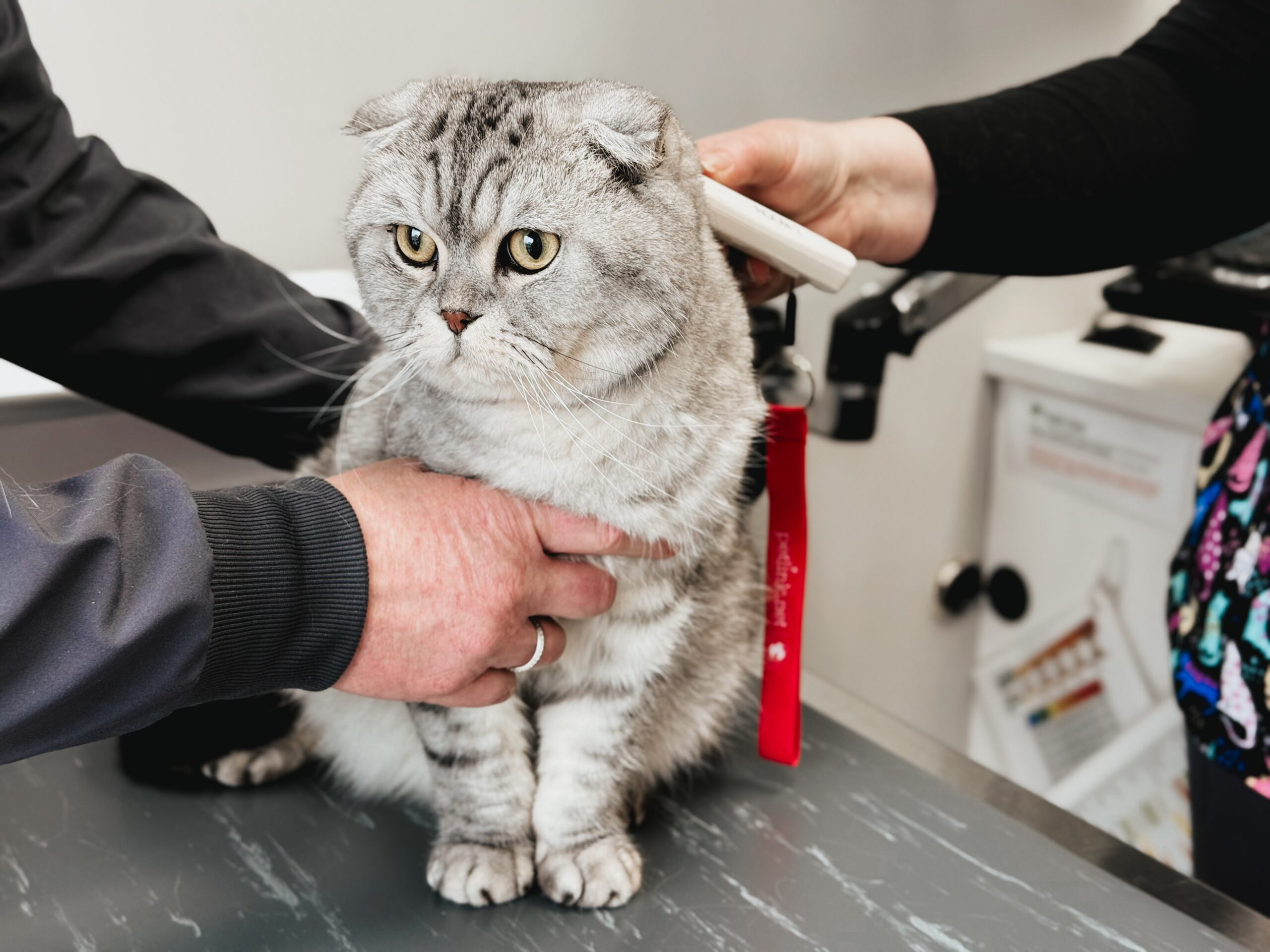
Keeping your adult pet healthy starts with consistent preventive care. As dogs and cats move out of the puppy or kitten stage, their medical needs change, and annual wellness exams become essential for maintaining long-term health. Our Adult Wellness FAQ’s are designed to answer the most common questions we hear from pet owners and help you understand what to expect at your pet’s checkups, which services are recommended at this life stage, and how we support your pet’s ongoing health and happiness.
When should my pet have their first adult wellness visit?
1 year and 4 months of age
We target when their Rabies booster is due.
How often should adult pets come in for comprehensive wellness exams?
Once per year
Our goal is to see your pet at a minimum once yearly to do a complete physical exam, perform annual labwork, and administer necessary vaccines. At this visit we discuss any health concerns, behavior, and nutrition. Our goal is to catch medical problems before they become serious. This also allows us to prescribe medications including monthly heartworm, flea, and tick preventative, unless they have some other health issue.
What does an adult comprehensive wellness exam include?
Almost everything
- Nose to tail physical exam
- Nutrition/diet and weight evaluation
- Behavior and lifestyle assessment
- Updated vaccinations (core or lifestyle-based, depending on pet’s risk)
- Parasite prevention/management (heartworm, intestinal parasites, fleas, ticks)
- Wellness lab work (baseline labs, bloodwork, fecal, +/- urinalysis)
- Discussion of preventive care options
Why are wellness exams important, even if my pet seems healthy?
What preventive care (parasite, nutrition, dental, lifestyle) is recommended for adult pets?
- Heartworm, flea/tick, intestinal parasite prevention is recommended monthly and year round.
- Nutrition and weight management. This is especially important as pets become adults and reach their “forever” adult weight.
- Dental care (home care and/or professional dental cleanings)
- Behavior, exercise, enrichment – to support mental & physical health.
What core vaccines are included (or when boosters are due)?
For all pets
DAP, Rabies (ideally 3 year), Leptospirosis
What non-core vaccines are considered based on lifestyle or risk (e.g. travel, outdoors, local risks)
For some pets
Bordetella/Parinfluenza, Canine Influenza, Lyme
What should you expect between visits?
Information
We strive to send reminders when vaccines are due, heartworm preventative purchase is due, and appointment reminders.
Senior Care
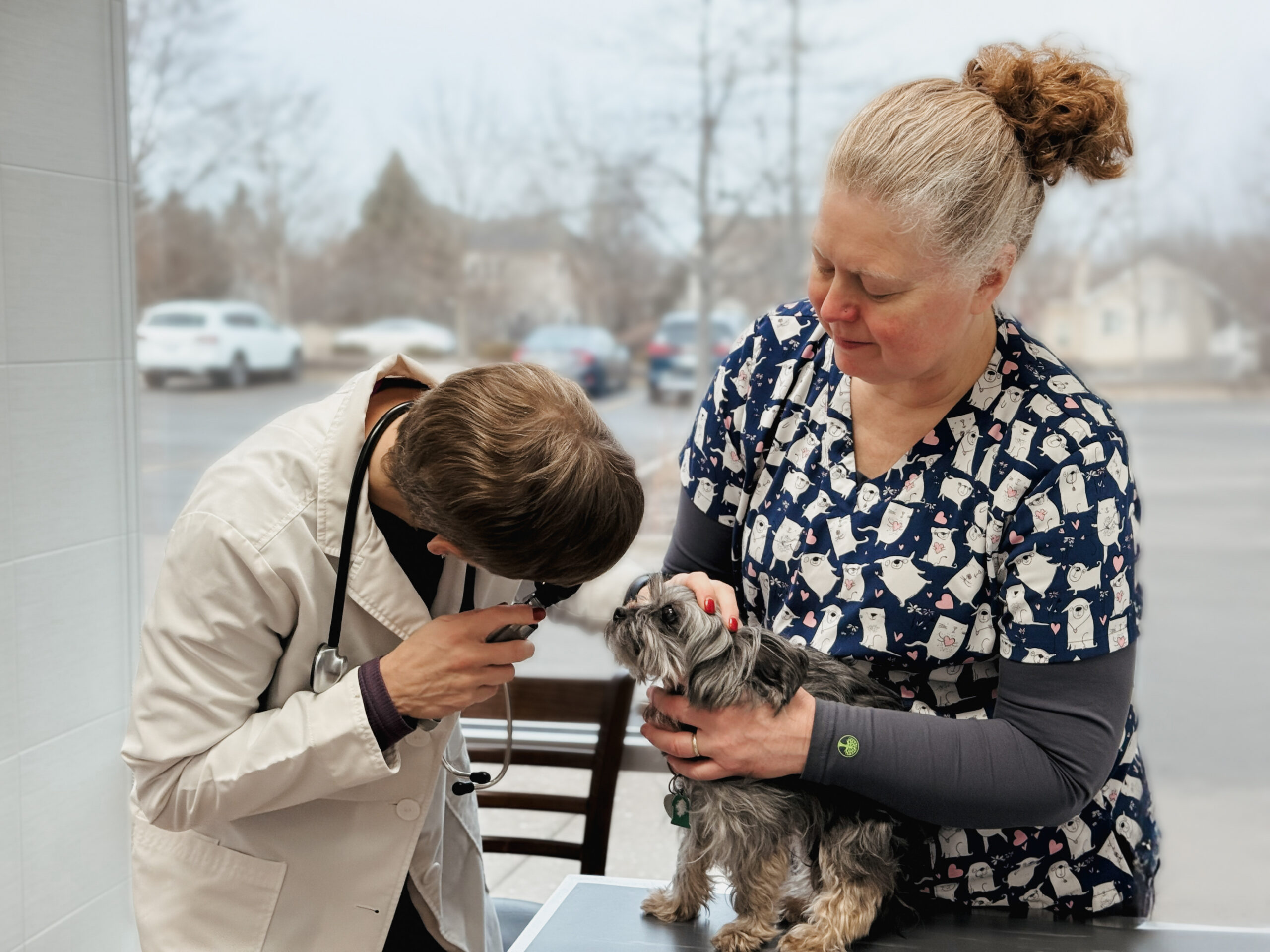
Keeping senior pets healthy starts with a proactive approach – we are striving to identify issues before they become life changing problems. As dogs and cats enter their senior years, subtle changes in their health can occur quickly and may be easy to miss at home or only found on bloodwork or in x-rays. Senior wellness exams focus on early detection, monitoring age-related changes, and maintaining comfort and quality of life.
Our Senior Wellness FAQs are designed to help you understand how your pet’s care evolves with age, what additional monitoring may be recommended, and how we partner with you to support pets through their golden years.
When is my pet considered a senior?
8-10 years
Typically we consider dogs to be seniors at 8 years of age and cats at 10 years of age. This does not mean your pet is “old” at this age, or that they will not live many more healthy years. It just means that at this age we often begin seeing different medical conditions, wear and tear on the body, or behavior changes that, if identified early, may be reversible or better managed.
How often should senior pets come in for comprehensive wellness exams?
Ideally, every 6 months.
As pets age, changes can occur more rapidly than in younger adults. Semiannual exams allow us to monitor trends, identify problems earlier, and adjust care plans before issues become advanced or impact quality of life. This is no different than the idea that a 50 year old is more likely to develop diabetes or high blood pressure than a 20 year old in the next year.
What does a senior comprehensive wellness exam include?
More frequent monitoring
In addition to everything included in an adult wellness exam, senior visits often place greater emphasis on:
- Weight, muscle condition, and mobility assessment
- Nutrition and appetite evaluation
- Behavior and cognitive changes
- Pain and arthritis screening
- Senior wellness lab work (bloodwork, fecal, and urinalysis)
- Discussion of comfort, mobility, and quality-of-life support options
Why is lab work especially important for senior pets?
Disease hides
Internal changes often happen before outward signs appear. Senior lab work helps detect conditions such as kidney disease, liver disease, diabetes, thyroid disease, anemia, and infection early – often before your pet shows obvious symptoms. Identifying these changes sooner allows for earlier intervention and better chance of long-term management.
Why are senior wellness exams important, even if my pet seems healthy?
Giving choices, gaining control
Many senior pets appear “normal” at home while experiencing gradual internal changes. Regular exams and lab monitoring establish trends over time, allowing us to differentiate normal aging from early disease and intervene sooner. While unexpected illness is never easy, identifying concerns early helps ensure you have the information and options needed to make thoughtful decisions for your pet’s care – before choices become limited.
What preventive care is especially important for senior pets?
- Year-round heartworm, flea, tick, and intestinal parasite prevention
- Nutrition tailored for aging pets, weight management, and muscle maintenance, often focusing on diets specifically designed for senior pets
- Dental care, as dental disease can significantly impact systemic health
- Mobility, arthritis, and pain management support
- Environmental and lifestyle adjustments to improve comfort and safety
What changes should I watch for at home as my pet ages?
Contact us if you notice:
- Changes in appetite, thirst, or weight
- Decreased energy or stamina
- Stiffness, limping, or difficulty rising
- Increased accidents in the house or litter box
- Changes in behavior, anxiety, or confusion
- Vomiting, diarrhea, coughing, or changes in breathing
Even subtle changes can be significant in senior pets.
Fearful Friends
Many of our patients experience fear, anxiety, or panic at the veterinary office. If we do not acknowledge our patient’s emotions, aggression can be the outcome – especially if a pet does not feel like there is any other option. This is why, as veterinary professionals, we monitor our patients closely looking for signs of progressing anxiety. At Healthy Paws we do a variety of things to read a pet’s emotional state thus allowing us to provide as relaxing of an environment as possible throughout a visit.
What does “Fear Free” mean at Healthy Paws Animal Hospital?
Really Fear-Less
“Fear Free” is perhaps a misnomer, as it is natural for humans and pets to feel fear in new or “odd” situations and many pets experience fear, anxiety, or panic at the veterinary office. This is part of survival. Fear Free care means we actively recognize and respect your pet’s emotional experience and adjust our approach to reduce stress however possible. By listening to what your pet is telling us and respecting signs of anxiety, we can create a safer, calmer, and more positive veterinary visit.
Why is fear and anxiety taken so seriously in veterinary care?
It is rude to not listen
When a pet feels trapped or overwhelmed, fear can escalate into defensive behaviors such as growling, snapping, or biting. These reactions are not “bad behavior”- they are communication. By identifying early signs of anxiety and responding appropriately, we can prevent fear from escalating and protect both pets and people.
How do we recognize when a pet is anxious or stressed?
Body language, body language, body language
Our team is trained to monitor body language and subtle emotional cues, such as posture, facial expression, movement, and avoidance behaviors. These signals help us understand when a pet is becoming uncomfortable so we can slow down, change techniques, or take a break before anxiety worsens.
What steps do you take to reduce fear during a visit?
Flexibility is the key
We individualize each visit based on how your pet feels and responds. Some of the techniques we commonly use include:
- Allowing pets to approach us first and giving space during introductions.
- Avoiding direct eye contact or head-on approaches.
- Approaching from the side and working at a comfortable level for the pet.
- Offering high-value treats and positive distractions.
- Adjusting how pets are held based on their comfort level.
- Choosing sample laboratory collection techniques that minimize visual or physical stress.
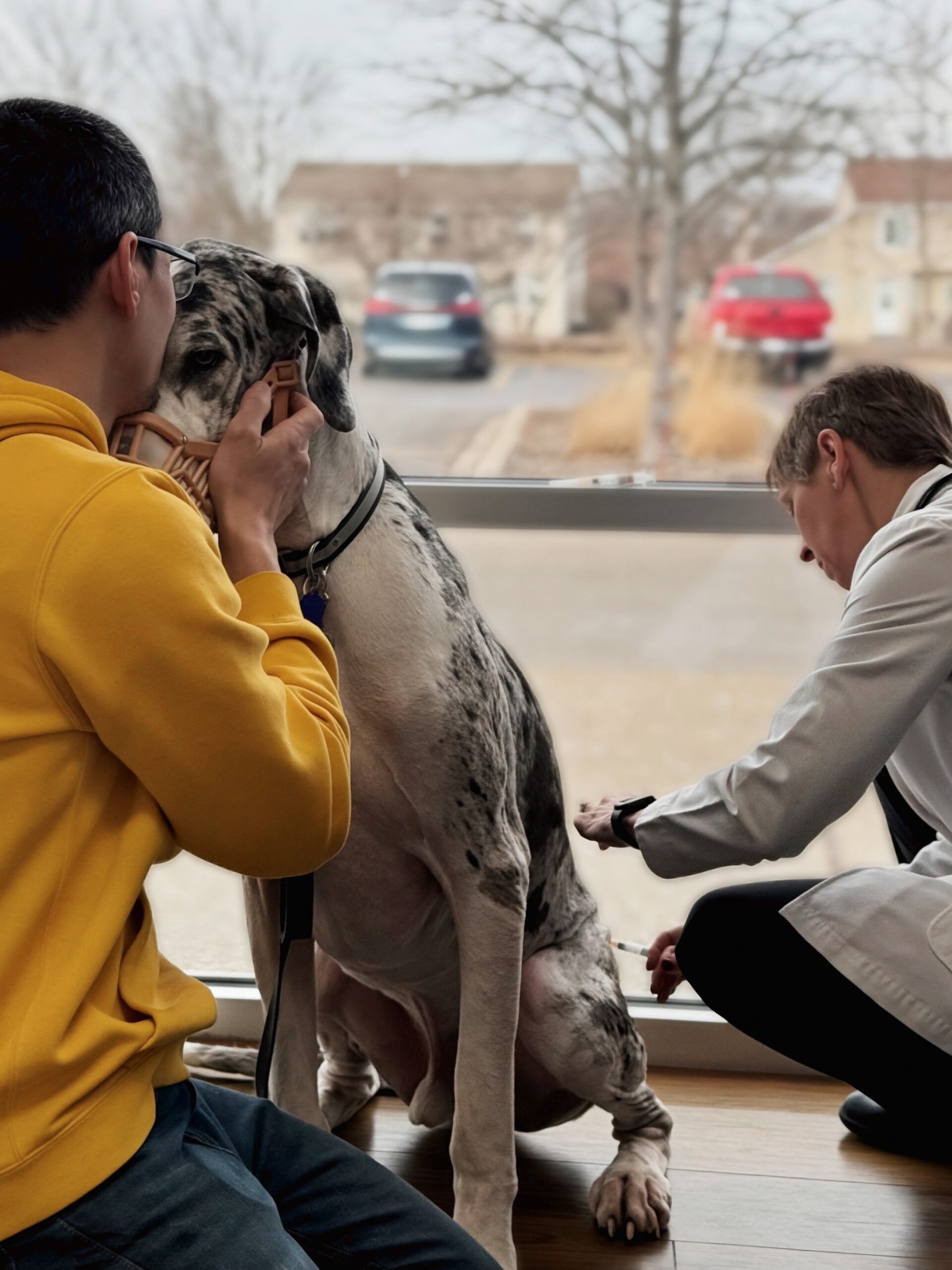
- Allowing pets to face their owner, look out a window, or stay in more open spaces.
- Reducing or eliminating waiting room interactions with other pets.
Will we ever force an exam if a pet is unreasonably scared?
No
One of our most important commitments is that we do not fight an animal or force a situation that causes excessive stress. If a pet is telling us they are uncomfortable, we listen. We may pause, reassess, and explore alternative approaches that better support your pet’s emotional well-being.
What tools or techniques might you use if my pet is very fearful?
If needed, we may use calming or safety tools to help lower anxiety and allow a visit to proceed more comfortably. These may include:
- Muzzles (including basket muzzles that still allow eating and panting)
- Towels to gently cover the eyes
- Slip leads for safer, more controlled handling
- Elizabethan collars (“lampshade) as an alternative to muzzling
- Temporarily separating pets from their owners when protective behavior increases anxiety. Many pets feel a need to protect their owners and this is too much for them to handle when they also do not understand what we are doing thus increasing their anxiety.
Each option is chosen thoughtfully and only when it helps reduce stress and improve safety.
Does this mean my pet is aggressive or poorly behaved?
There are not bad dogs, there are just scared dogs
Using special techniques, discussing behavior, or even choosing not to complete an exam does not mean a pet is bad, aggressive, or ill-mannered. It simply means your pet is communicating discomfort – and we respect that message. Listening now helps prevent worsening fear and long-term anxiety.
Do you use or recommend medication for fearful pets?
Yes, when appropriate, and individualized for the pet
We often use safe, well-studied medications to help reduce anxiety and take the “edge” off for fearful pets. These medications are similar to the calming effect of a glass of wine or a massage and are intended to promote relaxation – not sedation.
Medication plans are customized for each pet, and we often recommend a trial at home before a future visit to ensure proper dosing and comfort.